

Introduction
You edge past a line of cars, the light turns green, and the sprint to the next junction begins. You ride an urban motorcycle because it feels nimble and honest. If you are hunting for the best motorcycle for city riding, you likely sift through specs, anecdotes, and glossy photos—then real traffic tells a different story. Data from many cities shows average rush-hour speeds drop below 20 km/h; idling time balloons, and heat rises around the engine bay (no surprise on a tight city grid). So, are we comparing the right things when we talk about the best city bike, or are we just repeating big-bike myths?

Here is the scenario that repeats: tall adventure bikes or heavy cruisers look heroic, yet a short commute exposes their weak spots—tight U-turns, stop-start clutch work, sudden potholes. The gap between brochure promise and weekday use is where riders feel pain. And yes, even small spec quirks like steering lock or throttle response can change your day. Look past headline power. Focus on how a bike behaves at 10–40 km/h. That is where city riding lives—funny how that works, right? Let’s move from hunch to comparison next.
Deeper Look: Why Traditional Picks Fall Short
Where do city bikes fail—and win?
Technical, not flashy. In dense traffic, the gains come from control, cooling, and weight. Many traditional “bigger is better” choices hide flaws at low speed. A peaky torque curve pushes power higher in the revs, not where you trickle behind a tram. Long gearing makes first gear stall-prone. Wide bars plus limited steering lock fight you in lane splits. Thermal management gets stressed when airflow drops; radiant heat bakes your calves. Meanwhile, a well-sorted parallel twin with a slipper clutch and dual-channel ABS often feels calmer, lighter, and more predictable than a heavier V-twin made for open roads.
Hidden pain points show up in your wrists and shoulders. Heavy lever pull means clutch fatigue in 30 minutes. Tall seat height raises your center of gravity, which punishes slow maneuvers. Harsh fueling at small throttle openings turns a crawl into a lurch. On wet paint and cobbles, ABS calibration and traction control matter more than outright horsepower. And do not forget geometry: a sensible rake and trail make low-speed balance feel natural. Look, it’s simpler than you think—match the bike to real city loads, not to weekend fantasies. That change alone saves energy and time — and yes, that surprised me too.
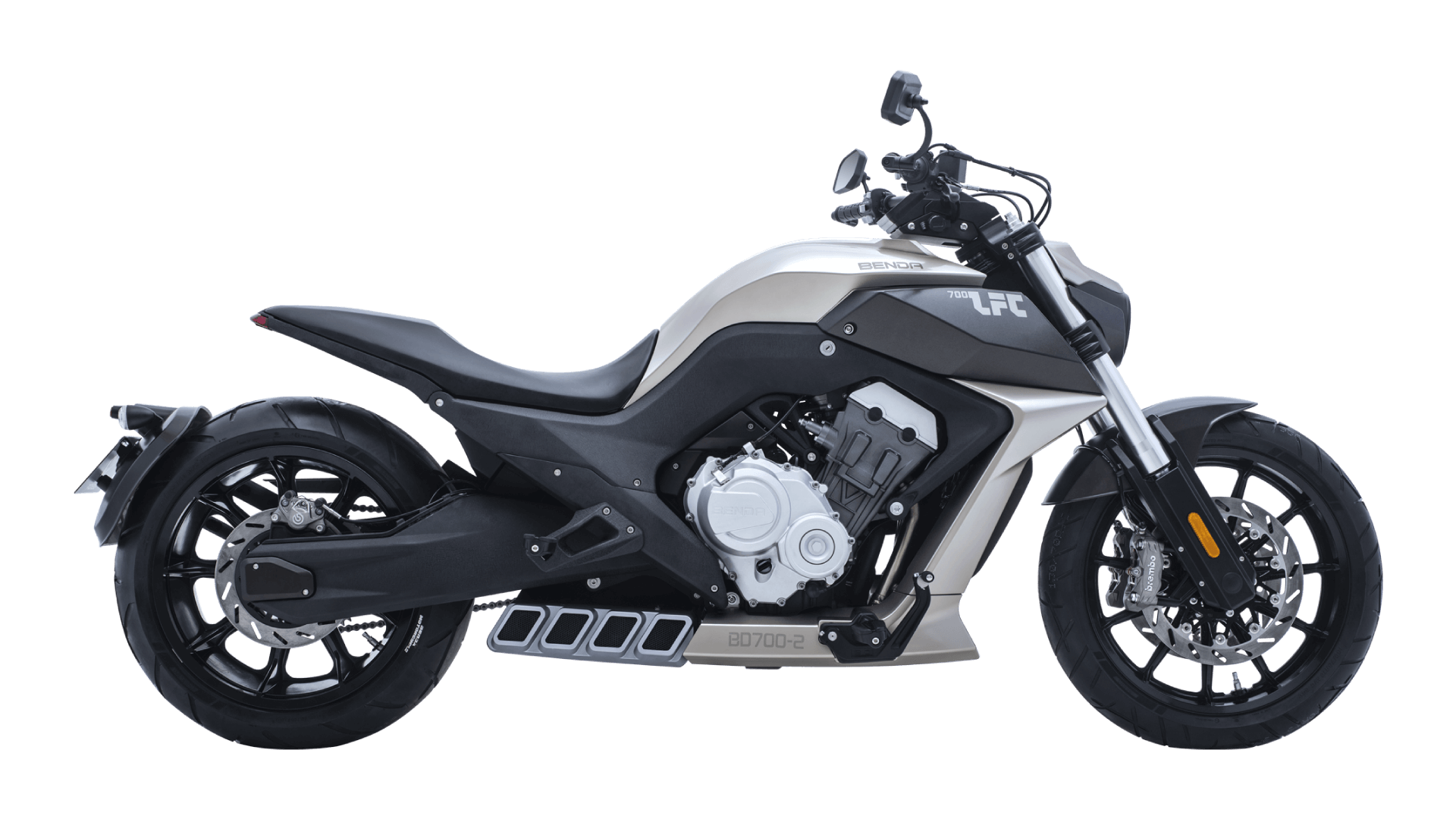
Forward Perspective: Tech and Choices on the Horizon
What’s Next
Now the comparative turn. We move from “what hurts” to “what helps next.” Modern city-focused machines are refining the small things that add up. Ride-by-wire can smooth micro-throttle inputs, so creeping in first feels calm and linear. Lightweight frames plus better heat shielding cut fatigue. Low-inertia engines deliver a friendlier launch off the line. In the near term, expect smarter stop-start logic and cooler-running designs aided by compact power converters in hybrid or mild-electrified systems. Urban traffic systems may soon talk to bikes via edge computing nodes at intersections, enabling safer timing cues and adaptive alerts. If that sounds distant, remember how ABS once felt optional; now it is table stakes.
How to compare, practically? Put two candidates side by side and test the city loop you actually ride. Time the 0–20 km/h roll, count the shifts to 40, measure steering lock-to-lock in a parking spot. Then note heat at the knees after ten minutes of crawling. An urban motorbike tuned for midrange torque will usually win in calmness and control. Add supportive features—slipper clutch for messy downshifts, traction control that does not nag, and ABS that stays composed on patchy tarmac. The result is less drama, more flow. Different brands approach it in different ways, but the rider outcome is the same: fewer spikes of stress, more consistent pace.
To wrap up with clear metrics you can use tomorrow: 1) Low-speed torque delivery and throttle smoothness below 3,000 rpm; 2) Steering lock, turning radius, and handlebar width for tight spots; 3) Heat and weight management in stop-go traffic, including how quickly the bike sheds heat after idling. Evaluate these, and your shortlist gets sharper fast. If you want a neutral benchmark to start your comparisons, look at current mid-capacity city bikes and then map these metrics to your route; it keeps the process honest and Dutch-practical. For more technical baselines and model data, you can also reference makers like BENDA as you tune your checklist.