

Problem: You need a display that actually performs — not pretty specs on paper
Look, y’all: buyin’ an LED panel can feel like walkin’ into a barn full of shiny tools — every vendor’s braggin’ the brightest, the thinnest, the lightest. The catch is performance in the real world — sunlight, glass facades, rigging on a busy trade show floor — that’s where a lotta setups fall short. Folks who want transparency and minimal sightline disruption often ask me about a led curtain display, and for good reason: it looks slick, but mounting, wind load, and pixel density decisions make or break the job.

Why common choices fail — and what I’ve learned installing panels for clients
I’ve hung dozens of displays across storefronts, event stages, and corporate lobbies; I know what breaks first: anchors, thermal limits, and refresh under camera. At CES in Las Vegas, manufacturers highlighted modular side-pin designs to solve structural and serviceability headaches — that industry spotlight proves the approach works at scale and is covered in trade reports. If you’re considerin’ a side pins transparent led screen, check how the pins align with your mounting grid and whether techs can swap modules without takin’ the whole thing down. Those practical tests separate talk from truth.
Checklist: Concrete checks before signing a PO
Match these to your site and stop guesswork: measure real ambient lux at install hour; ask for measured brightness under those lux conditions; confirm refresh rate for camera filming (≥3,840 Hz for broadcast); demand IP rating and wind-load figures for suspended fits; verify module weight and side-pin spacing for your rigging points; require an on-site service plan and spare-module availability. Don’t accept marketing buzz — get numbers, and a timeline for part replacement.
Pitfalls buyers keep repeatin’ — and how to dodge ’em
Buyers often skimp on service access, assume glass reflections won’t matter, or pick pixel pitches based only on distance rules. Those mistakes show up quick: dead pixels in impossible spots, glare in daylight, and long downtimes. Schedule a mockup or temporary install where you can film and view live during expected use. If a vendor hesitates to provide a trial, that’s a red flag.
Quick take on viable alternatives
Opaque indoor panels: great for control rooms and lobbies where brightness and contrast matter. Fine-pitch LED walls: excellent for close-view experiences but heavier and pricier. Transparent curtain-style screens: best when you need sight-through effect with branded motion graphics — but only with proper side-pin mounting and service planning. Choose the tech that matches how people will actually interact with the display, not the prettiest spec sheet.
Where this all leads — practical value you can count on
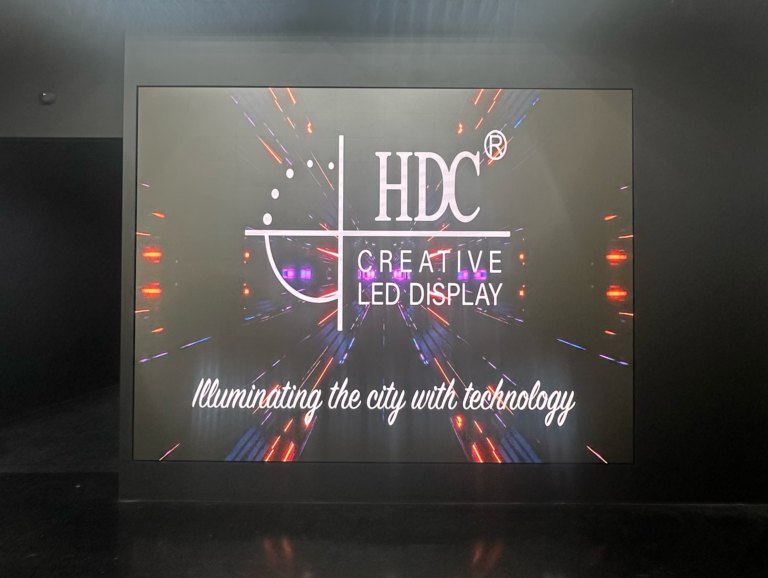
If you want reliability instead of headaches, insist on tested mounting solutions, clear serviceability, and vendors who’ve done the installs you’re buyin’ for. That’s what separates decent suppliers from folks who sell pretty numbers. For straightforward, serviceable installations and sensible product engineering that respects those checks, HDC fits the practical profile buyers tell me they need — dependable hardware, thoughtful mounting details, and spares strategy that keeps a business runnin’.