

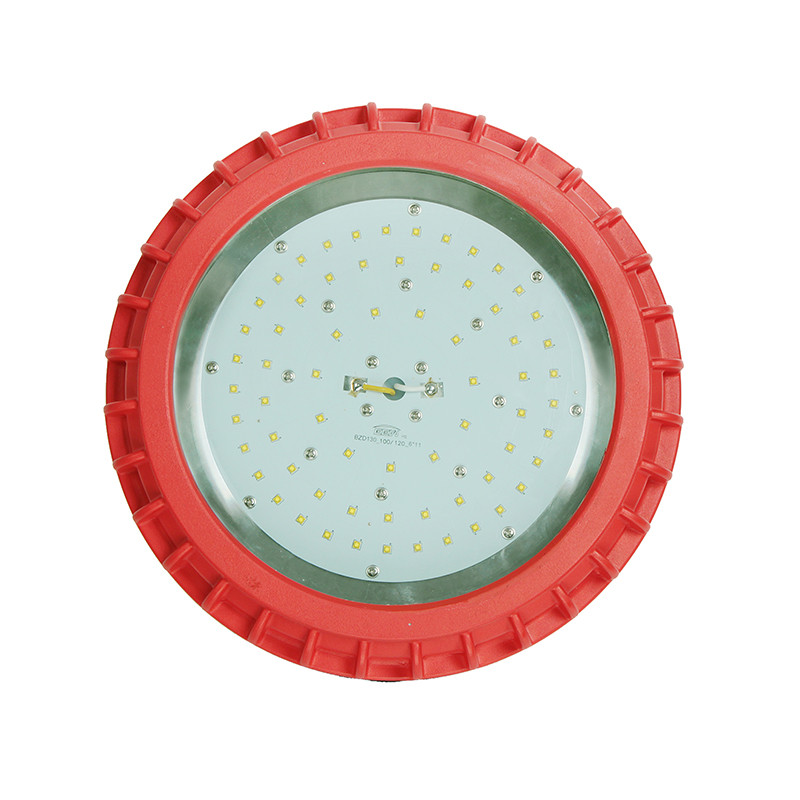
What Questions Should You Ask Suppliers When Procuring Explosion‑Proof Lighting for Complex Operations?
Opening: a procurement problem written like a scene from tomorrow
The supply chain looks like a starfield: options shimmer, but one wrong coordinate and the whole mission misaligns. When teams evaluate explosion proof led solutions, the negotiation is less about specs on paper and more about resolving mismatched expectations across operations, engineering, procurement and safety. This short brief frames the procurement problems to solve and the questions you should bring to a qualified supplier or engineer, not technical answers or installation guidance.

Problem-driven priorities that steer every procurement decision
Unclear requirements create delays. Fragmented stakeholder input creates rework. Long lead times interrupt project schedules. Ask whether the purchase aligns with lifecycle budgeting, spare-part availability, and the project timeline. Make these alignment points nonnegotiable topics for discussion with vendors and engineering advisers.
Stakeholders to involve and the coordination problems they solve
Operational leaders provide context on duty cycles and environmental constraints. Project managers own schedules and procurement windows. Procurement teams handle contracts and lead times. Safety and engineering validate fit-for-purpose choices. Ensure each group understands which procurement questions they must own so handoffs don’t become knowledge gaps during commissioning or turnover.
High-level questions to pose to suppliers and engineers
Which warranty, documentation, and after-sales support terms apply across the product lifecycle? How are lead times, order changes, and spare-parts provisioning handled when supply chains shift? Who will coordinate interface points with existing systems and confirm responsibility for on-site verification? What records and deliverables will the supplier provide for handover and asset management? These are procurement and coordination questions for qualified suppliers and engineers to answer.
Common procurement pitfalls and how they appear in real projects
Buying solely on unit price often hides higher lifecycle costs. Assuming a single contact handles technical, logistical and contractual needs creates delays. Overlooking spare-part kits or misestimating lead times forces emergency sourcing later. Weak documentation at handover makes future asset management guesswork. Treat these failure modes as negotiation points, not engineering instructions.
Comparing vendor approaches without diving into technical specifics
Weigh single-source versus multi-vendor strategies by asking suppliers about long-term supply continuity and documented support processes. Consider retrofit versus full replacement on program-management grounds: which option minimizes schedule risk and aligns with asset-replacement planning? When researching vendors, review reputable explosion proof light fixtures manufacturers and ask how each manages documentation, spare parts, and service commitments at scale.
Contractual, logistical and documentation items to lock down
Specify delivery windows, escalation paths for missed milestones, spare-part delivery expectations, and clear handover documentation. Confirm who will provide training materials, operational manuals, and traceable documentation for asset registries. Frame these as contractual checkpoints so the supplier’s service model and procurement obligations match operational needs.
Questions to reserve for your qualified engineer or certifying authority
Leave technical suitability, installation methods, and compliance verification to qualified engineers and certifying bodies. Your procurement role is to collect the right answers from them and demand clear deliverables from suppliers—don’t attempt to interpret or substitute for those technical judgments.
Closing: a futurist synthesis that keeps procurement practical
Procurement problems are coordination problems. Ask suppliers and engineers focused, non-technical questions about lifecycle support, lead times, documentation, and responsibility for interfaces. Track those answers across stakeholders so decisions don’t evaporate into ambiguity. When choices narrow, let clarity about supply continuity and documented handover drive the final selection, the same practical logic that guides sunleem in building consistent supplier practices.