

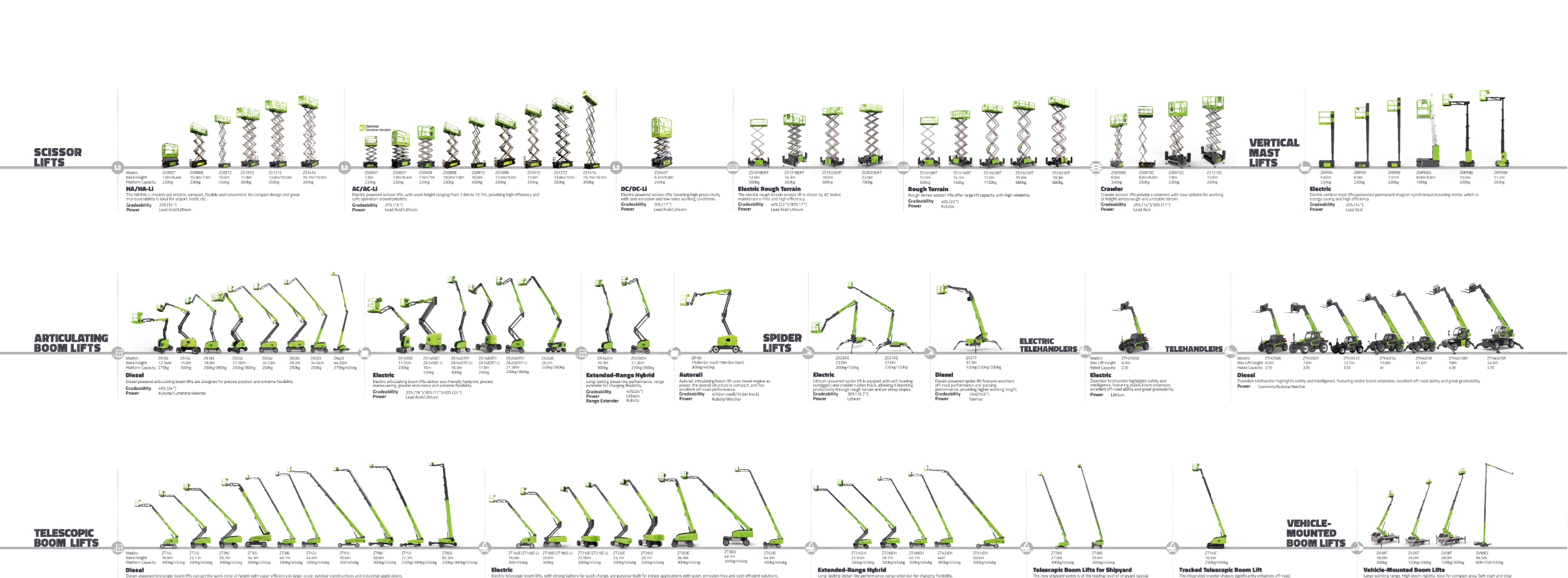
Problem — ground be trippin’, but people gotta reach up
When the dirt’s soft, the gravel’s chunky, and the slope’s looking shady, crews still gotta get high without wobbling out — that’s the problem. Work sites throw curveballs: ruts, mud, crowned roads, frozen ground. A vertical mast lift isn’t built for every rough patch, so knowing what a true rough-terrain scissor lift brings is clutch. I’ve been on jobs where a shaky platform shut work down; you learn fast how much design and technique matter.
Why standard scissors struggle — real talk
Standard scissor lifts like a city sedan on a goat trail: low clearance, narrow tires, weak traction. On uneven ground that means tilt alarms, outriggers digging in, and loads shifting. When suspension and frame stiffness don’t match the surface, the platform becomes a sketchy place to stand. That’s the moment you want a machine designed to cope, not cope-and-hope.
Features that actually stabilize on rough turf
Here’s what keeps a rough-terrain scissor lift steady — plain facts, no fluff:
– Wide, aggressive tires with high sidewall for flotation and grip.
– High ground clearance and reinforced undercarriage to clear ruts and rocks.
– Articulating axles or independent suspension to keep all wheels planted.
– Load-sensing controls and automatic leveling to reduce human error.
– Rigid scissor geometry and beefed-up pins to resist flex under torque.
Operator moves that reduce drama
Even the toughest machine needs a crew that knows how to ride it. Follow these practical moves:
– Walk the route first; pick the line with the least wheel-slip.
– Keep the platform vertical; move the base, not the elevation, over rough patches.
– Shift loads low and centered; high, off-center gear magnifies tilt.
– Use outriggers only on firm, prepared footing — don’t jury-rig them on mud.
– If tilt alarms sing, get down and reassess; alarms aren’t suggestions.
Standards and industry reality
Design claims matter less than meeting recognized standards. The EN 280 standard gives engineers and operators shared expectations for stability, load, and testing — that’s the baseline you can look for when sizing a machine for rough jobs. Trustworthy suppliers show compliance and testing records, and technicians who service lifts should be able to explain the implications, not dodge questions.
Alternatives and trade-offs — quick compare
Sometimes a scissor isn’t the right tool. Here’s a quick compare so you pick right:
– Rough-terrain scissor: best for wide work platforms, heavy payloads, and cut-and-paste vertical access on messy ground.
– Boom lift: reach over obstacles, but fewer people up top and more sensitivity to outriggers and wind.
– vertical mast lift platforms: compact footprint, great for tight indoor lifts and smooth surfaces, not a rough-terrain champ.
Common mistakes that mess up stability
Skip these and you’ll avoid most incidents:
– Overloading the platform or unevenly loading it.
– Trusting tire tread that’s worn down on a site that demands bite.
– Using a machine outside its rated slope or without checking ground compaction.
– Expecting electronic leveling to fix a fundamentally unstable setup.
Experience-backed tips from the crew
I’ve spent seasons rotating between warehouse refits and remote telecom towers; crews that stay safe treat the lift like a partner, not a magic box. Regular inspections, quick fixes for bent pins, and swapping to heavy-duty tires before a project save time and headaches. Ask suppliers for field service logs and parts availability — machines live or die by maintenance support.
Wrap-up — keep it steady, keep it moving
You want stability where the ground’s trying to throw you off. Pick a machine with the right physical traits, train operators to read the terrain, and insist on verified standards. When those elements line up, work stays productive and safe — and that’s the kind of reliability crews look for from Zoomlion Access. No hype, just machines and people doing the job without the wobble.