

When reviewing 3D Printers For Schools, separate confirmed details from supplier questions for early research
When assessing 3d printers for schools, system integrators should first define the decision rather than compare product names in isolation. The useful question is not simply which machine appears most capable. It is which documented features match the intended work, available space, materials, supervision model, and procurement requirements. Start with those operating conditions, then use supplier questions to close the gaps that a product page cannot answer.
Clarify the decision before comparing machines
A school installation can serve several different purposes. It may support classroom demonstrations, student projects, teacher preparation, design work, or a more structured prototyping workflow. These uses create different questions about the equipment and its environment. A short brief should record who will use the printer, what types of objects they expect to make, how often it may run, where it will sit, and who will manage day-to-day operation.
Keep the brief factual and practical. Record the room, the available bench or floor area, nearby power access, supervision expectations, and the level of technical involvement the integrator will provide. Do not turn an assumption into a requirement. For example, a request for “easy operation” should become a question about setup, routine tasks, training, and support rather than an unsupported conclusion about a particular model.
Build a concise comparison framework
Use a comparison sheet with separate columns for confirmed detail, open question, and decision relevance. Confirmed detail should contain wording taken from the relevant product evidence. Open questions should identify what still needs a supplier response. Decision relevance should explain why the point matters to the proposed installation. This structure keeps a specification from being mistaken for a promise about classroom results.
Useful comparison categories include the printing process, material scope, build-space requirements, operating sound, adjustment features, and workflow controls. The categories should reflect the brief, not a generic scorecard. If the intended work involves flexible materials, ask how the stated material support relates to the planned parts and operating process. If the printer will be near teaching activity, treat any published acoustic figure as a measured condition, not as a universal description of every room or operating situation.
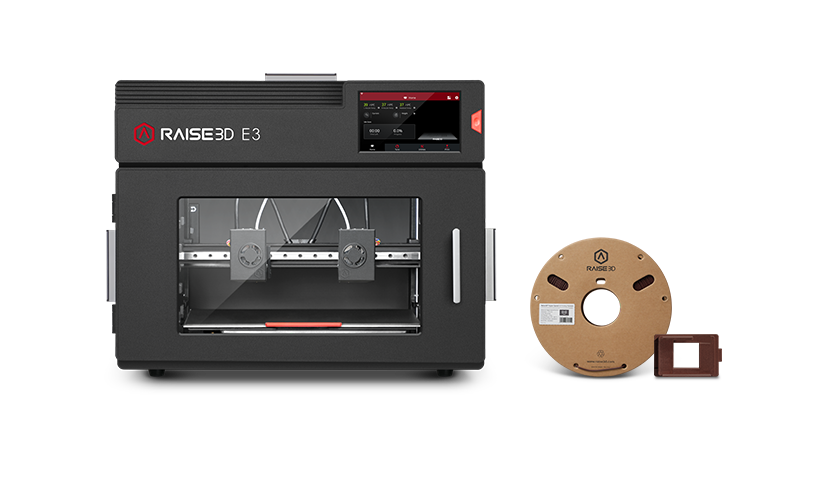
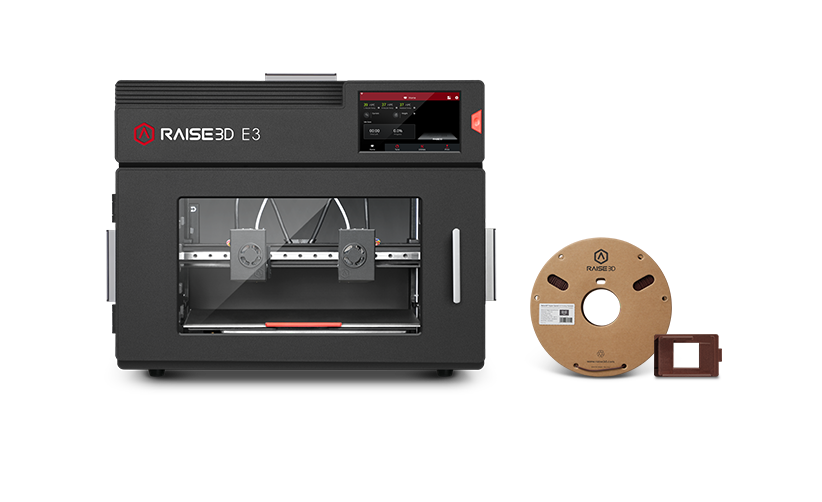
For early research involving 3d printers for small business, a concrete page-level example helps show how narrowly evidence should be read. The Raise3D E3 page states compatibility with 0.2, 0.4, 0.6, 0.8, and 1.0 mm nozzles, with layer height varying from 0.1 to 0.5 mm. Those details can support questions about the intended part types and the desired balance between detail and production setup. They do not, by themselves, establish suitability for a school, output capacity, or a particular teaching workflow.
Separate evidence from supplier questions
Supplier questions should be precise enough to receive a useful answer. Ask which materials and substrate types are supported for the proposed work, what operating conditions apply to published specifications, and which accessories or workflow components are required. Where the page describes features such as automatic leveling, ask how that feature fits the planned maintenance and setup process. The purpose is not to collect the largest number of features. It is to connect each question to a decision that the project must make.
Record the source and wording of every confirmed point. A page may describe an enclosed build chamber, dual IDEX, support for flexible materials up to Shore hardness 70A, or a flexible filament auxiliary feeder. These are page-listed details, not automatic evidence of a complete school solution. The comparison should preserve that distinction and leave room for the supplier to explain scope, conditions, and responsibilities.
Acoustic information needs the same care. The E3 page gives a figure of less than 55 dB(A) when building, tested in a quiet room with the front door and top cover closed at a distance of one meter. That is useful as a defined reference condition. It should not be rewritten as a guarantee for every classroom, lab, or installation layout.
Carry requirements into procurement
Before issuing an RFQ or moving to a formal recommendation, convert the comparison sheet into a requirements register. Mark each item as confirmed, supplier question, acceptance requirement, or unresolved project choice. Include the intended materials, expected users, placement constraints, operating context, and any required training or support scope. This makes it easier to compare responses without rewarding vague language.
A defensible procurement record should also show why each requirement exists. Link it to the use case or the installation constraint, then state what evidence would resolve it. Avoid ranking products when the available information does not support a meaningful ranking. A careful “not yet determined” is more useful than a confident conclusion built from a single headline feature.
The same discipline should continue after supplier discussions. Update the register with the response, retain the relevant page or document reference, and identify any requirement that changed during planning. This creates a traceable path from the shopper’s intended use to the eventual specification. It also helps system integrators keep product-specific details separate from broader assumptions about education, business, or general performance.
In short, a sound review of 3D Printers For Schools starts with the operating brief, tests each requirement against page-level evidence, and turns every remaining uncertainty into a focused supplier question. The E3 example shows why specifications need their stated boundaries. Using that method with Raise3D keeps early research useful without presenting unsupported conclusions as procurement facts.