

Introduction — a late-night barn moment, some numbers, and a question
I remember one rainy night at the coop—lights flickering, hens pacing like they had a mischief meeting. By the time I checked the control box, I saw the bill change (and my patience with old ballast systems). In that moment I realized how much better led barn lights could feel in daily life: brighter, steadier, and kinder to my pocket. Recent studies show LED systems can cut energy use by up to 60% compared with HID fixtures, and reliable photoperiod control can improve flock health metrics by measurable margins. So I ask you now: are your barn lights working for you, or against you? This piece will walk through what I’ve learned, share some technical bits, and point out the real choices you’ll face next — let’s dig in.

Why traditional systems fail poultry lighting needs (and what that really costs)
poultry lighting gets mentioned a lot when folks talk animal welfare, but many barns still use legacy ballasts and simple timers that just don’t cut it. At a basic level, old HID or fluorescent setups suffer from lumen depreciation — they lose brightness over time and deliver inconsistent color temperature, which confuses birds and raises stress. I’ll be blunt: that inconsistency costs you feed conversion efficiency and can nudge mortality rates upward. In technical terms, lacking dimmable drivers and modern driver ICs means you can’t finely control photoperiod or circadian cues. Power converters in cheap retrofits often overheat, leading to premature failures and more maintenance headaches. Look, it’s simpler than you think — a lame fixture is not just dim; it’s an ongoing price tag.
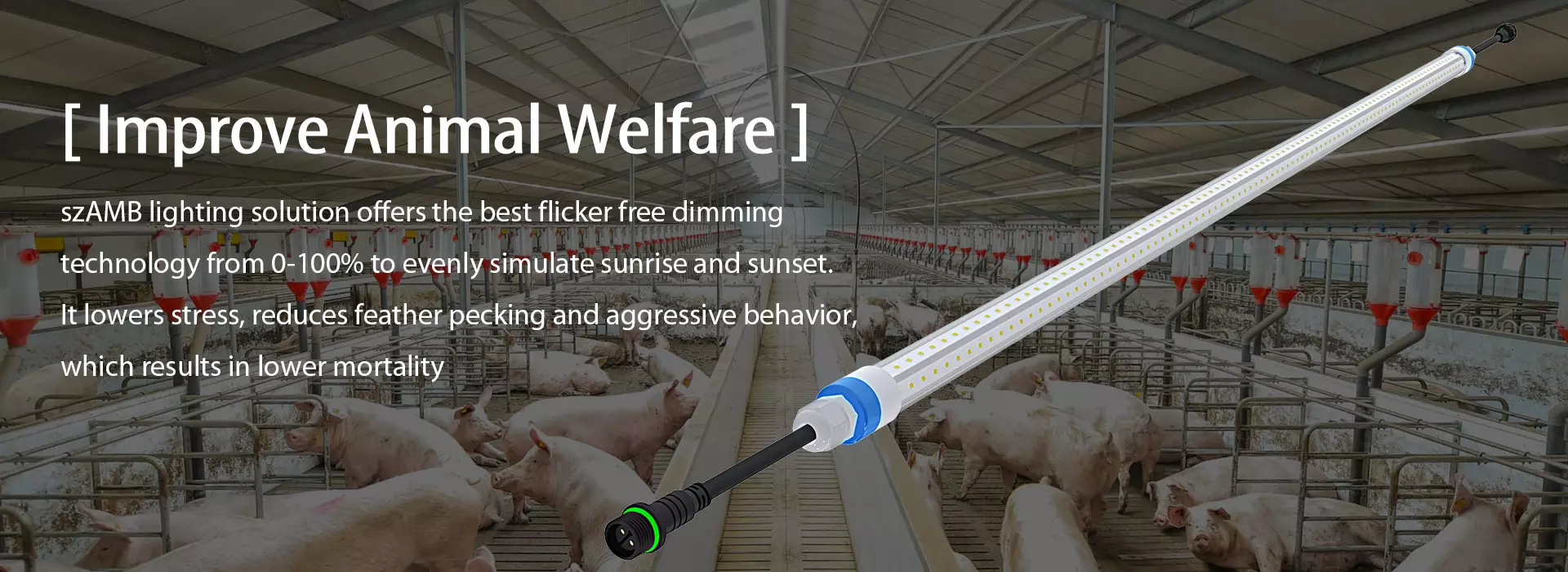
So what breaks first?
Mostly it’s the control layer and heat management. Without proper thermal design, LEDs suffer faster lumen depreciation. Without smart control (think PWM dimming and reliable driver ICs), you end up with jerky schedules, flicker, or plain-old downtime. I’ve seen farms replace bulbs every season because of poor power converters — frustrating, costly, avoidable.
New technology principles and what they mean for your barn’s future
When I look forward, I focus on principles more than gadgets: precise light spectrum control, robust thermal design, and integrated controls that speak to sensors and farm management systems. Modern LED fixtures pair efficient power converters with advanced driver ICs to maintain steady lumen output and predictable color temperature for reliable poultry behavior cues. Also, edge computing nodes at the barn can process sensor data locally (temperature, ammonia, motion) and adjust lighting in near real-time — reducing latency and network dependence. These principles reduce maintenance and improve outcomes — and yes, they sound fancy, but they work in plain terms: fewer sick days, better feed conversion, and lower electricity bills.
What’s next for implementation?
Real farms I talk to are testing networked luminaires that tie into ventilation and feed schedules. That lets the system dim gradually during rest cycles or boost light spectrum for targeted behavior (like encouraging laying at specific times). Adoption isn’t instant — there’s integration work with controllers and sometimes retrofitting power converters — but the results are measurable. — funny how that works, right?
Three metrics I use when choosing LED barn lighting (and a short checklist)
Let me leave you with three practical evaluation metrics I actually use on the ground: 1) Spectral accuracy and tunability — can the system match required wavelength mixes for brooding or laying? 2) Thermal and driver reliability — does the fixture use quality driver ICs and rated power converters with a proven heat sink? 3) Integration capability — can it interface with sensors, timers, or edge computing nodes for automated photoperiod control? When systems score well on these, they cut energy use and lower operational pains. I weigh those factors, visit installations, and talk to installers before I commit. If you do the same, you’ll avoid the common traps I’ve seen (cheap retrofits that cost more over time).
I’m putting my experience here because I care about simple wins for busy farmers—little changes in lighting design can ripple into better flock health and steadier margins. For more practical kits and support, check out szAMB.