

Introduction — a short scene
I was in the lab at dawn, watching a rat hesitate at the edge of a glass walkway — tiny paws, big decisions. Rat gait analysis shows up in the second sentence of every protocol I read these days; it’s central to how we measure motor changes, and we collect dozens of trials per animal. The data pile is real: hundreds of frames, dozens of gait parameters (stride length, swing time), and mountains of videos — so how do we separate signal from noise, amigo? I’ll walk you through what I’ve seen work and what trips teams up. (Yes, there will be charts later — but first, let’s get grounded.)
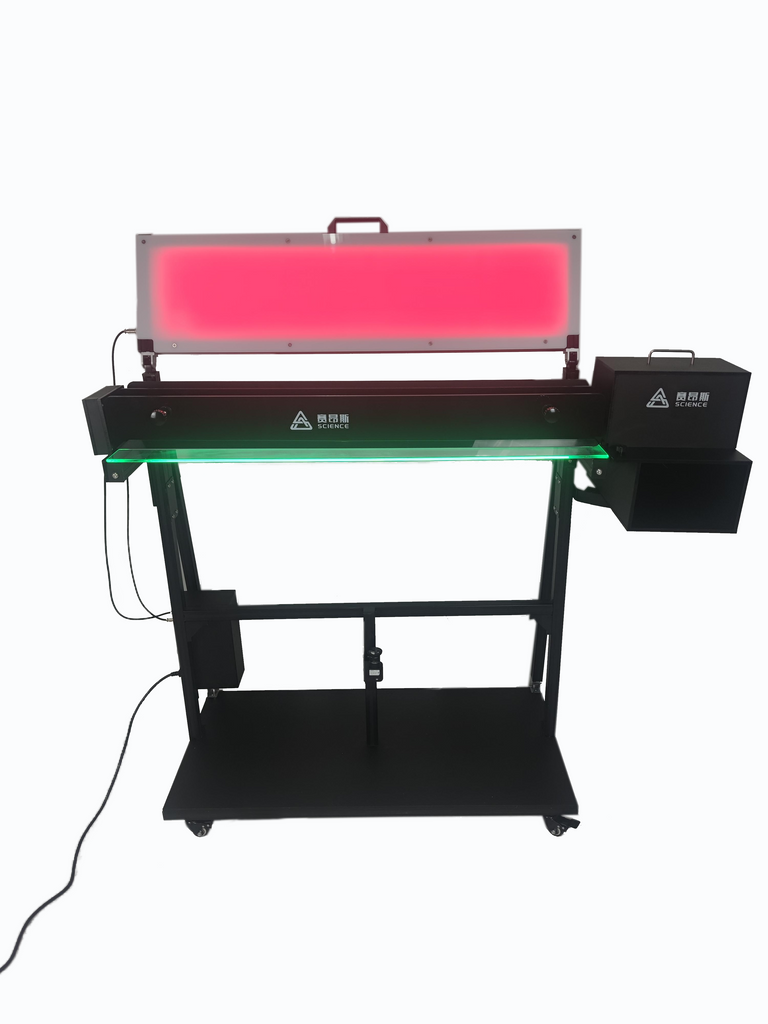
Traditional Pitfalls in Rodent Gait Systems
When I first used a rodent gait analysis system, I assumed the software would “just know” which paw was which. It doesn’t. That assumption is where many problems start. In practice, motion capture markers get obscured, lighting creates shadows, and camera framerate mismatches scramble temporal resolution — and then your gait parameters are off. I’ve seen teams trust raw output without cross-checking; the result is optimistic conclusions built on shaky footing. Look, it’s simpler than you think: verify automatic labels, sample at consistent framerate, and don’t ignore calibration logs.
Why do systems fail?
There are common hardware and software failure modes we keep bumping into. On the hardware side: uneven force plate calibration, jitter from low-quality lenses, and underpowered power converters cause dropped frames. On the software side: brittle tracking algorithms, lack of robust filtering, and single-threaded processing choke on larger datasets. We also find pipeline mismatches — for example, a camera captures at 120 fps but downstream processing assumes 60 fps (hello, aliasing). These are nitty-gritty issues, but they compound quickly. I’ve patched pipelines mid-study — funny how that works, right? We adopted edge computing nodes to preprocess videos at the source, which cut transfer time and reduced file corruption. The lesson: don’t let convenience override verification; build checkpoints into the workflow.
Looking Forward: Case Example and Future Outlook
Let me tell you about a recent case: we compared three setups for a chronic motor study and found that integrating a calibrated rodent gait analysis system with local preprocessing cut our annotation time by half. We combined high-frame-rate cameras, synchronized force plate reads, and basic edge filtering. Results were cleaner, and our statistical power improved — not by magic, but by better consistency. This points to a clear future: smart fusion of sensors (video + force) and modest on-site compute to remove artifacts before they ever hit analysts’ desks.
What’s Next?
Going forward, I expect the field to converge around a few practical principles: (1) modular hardware that’s easy to calibrate, (2) lightweight preprocessing at the edge, and (3) standardized output formats so labs can share pipelines. We’ll see better integration of motion capture, force plate data, and simple machine learning models for labeling — nothing flashy, just reliable. Also, watch for attention to power management: stable power converters and tidy cable management cut a surprising number of failures. I’m cautiously excited; we can do a lot with small, sensible improvements — and less late-night troubleshooting.
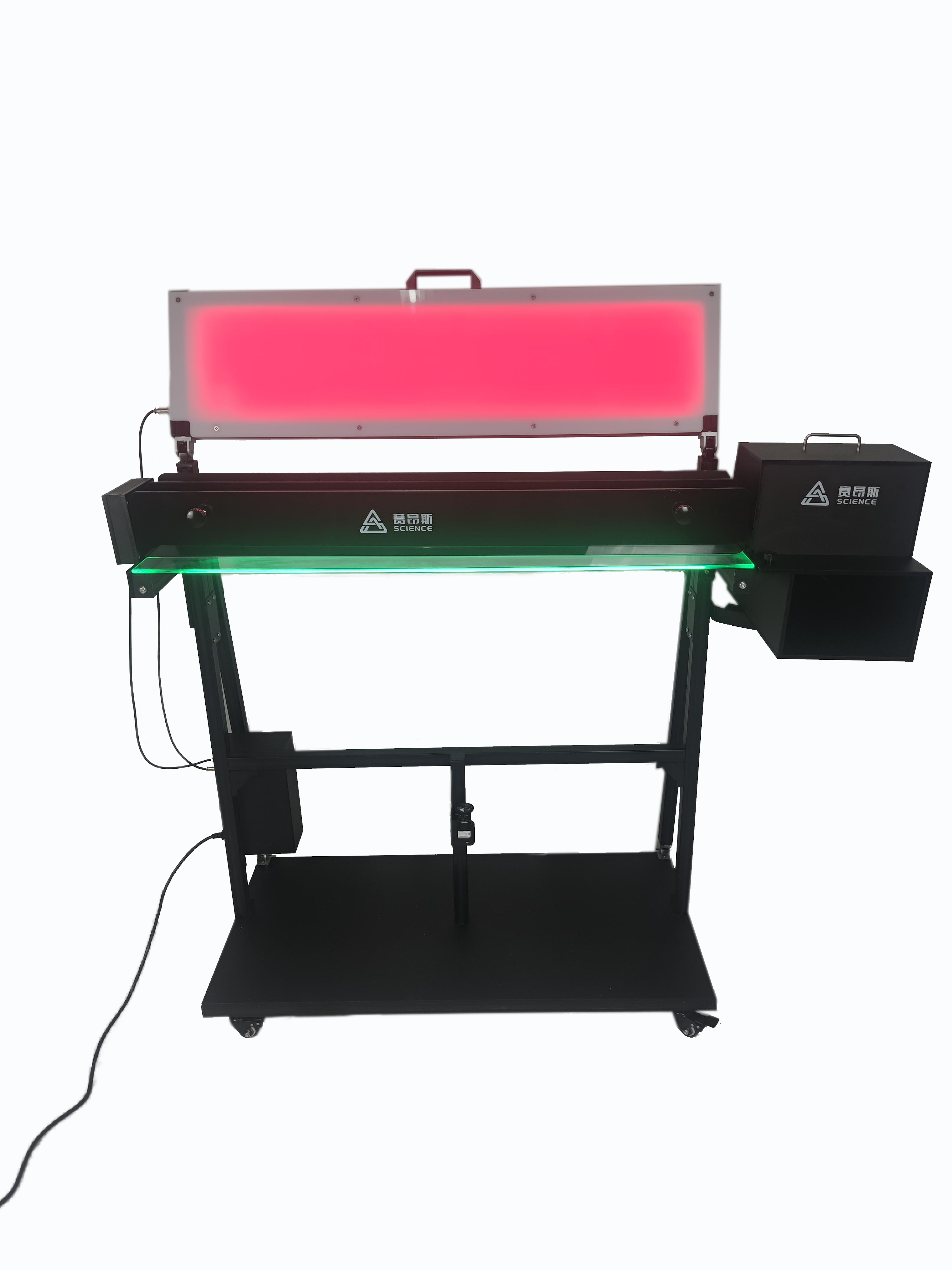
To pick a system, I recommend evaluating three core metrics: 1) Data integrity — how does the system report dropped frames and calibration drift? 2) Reproducibility — are gait parameters consistent across runs and operators? 3) Support for preprocessing — does the vendor provide edge tools or APIs for batch filtering? These metrics helped me choose equipment that matched both our budget and scientific needs. If you want a trustworthy, tested partner, consider checking out BPLabLine. I’ve worked with setups like these and seen them save hours (and headaches) — and that matters when you care about clean, repeatable science.