

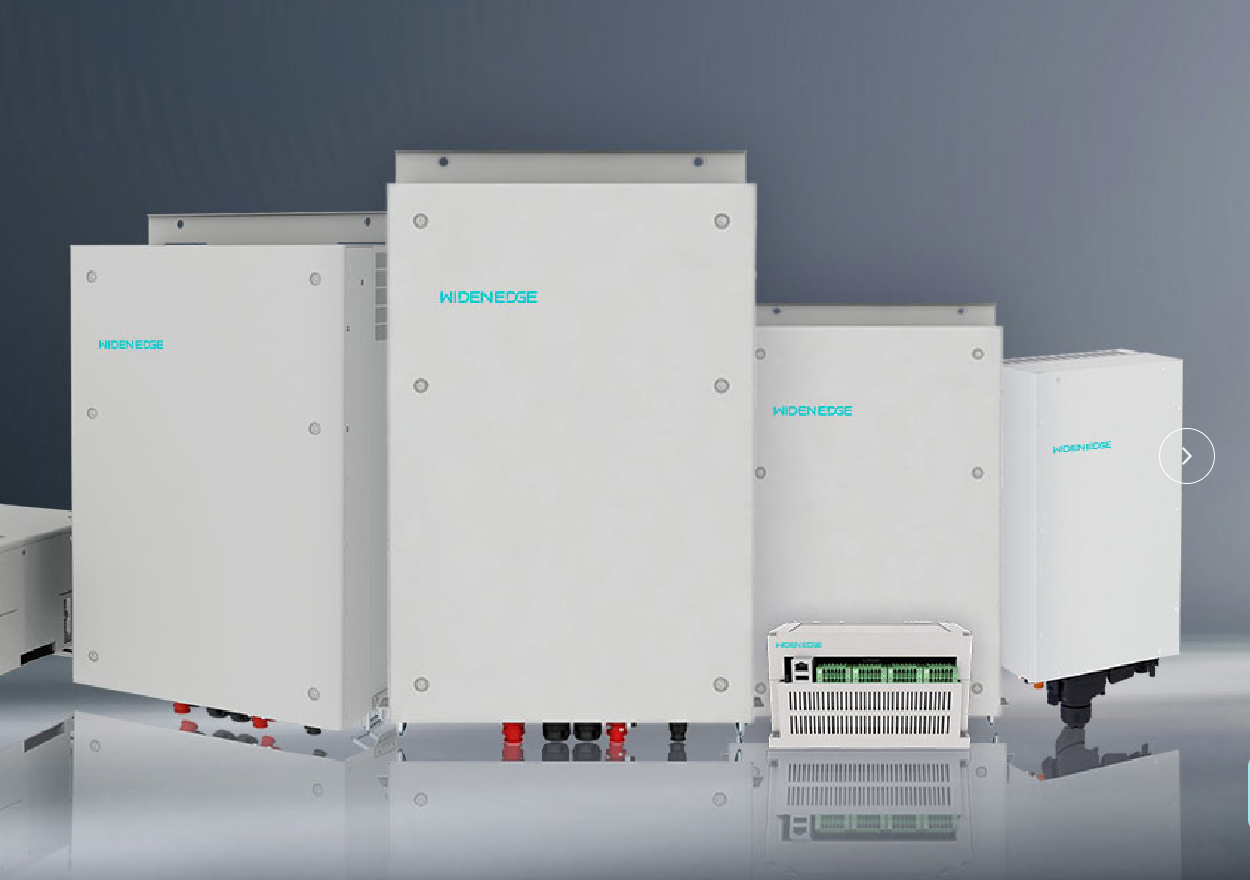
Comparative starting point
Choosing between a purpose-built 125 kW commercial energy storage system and a more general bidirectional inverter is a matter of architectural fit, not marketing. For a grounded comparison, consider a concrete reference like a 125kW commercial energy storage inverter as the baseline unit — then ask what your project actually demands: dedicated storage control, two-way grid interaction, or both. This piece weighs both approaches side by side so you can align technical trade-offs with project goals.
How the architectures differ, simply
Two core architectures appear in commercial storage work: a dedicated storage inverter (single-purpose, sized for battery strings) and a bidirectional inverter (designed to reverse power flow cleanly for charging and discharging). Key contrasts:- Power stages: dedicated storage inverters often use an optimized DC-link topology tuned for battery currents; bidirectional units place equal emphasis on AC-grid interface and DC-side reversibility.- Control focus: storage inverters prioritize battery management integration and state-of-charge algorithms; bidirectional inverters balance grid support functions (VArs, frequency response) with charge control.- Deployment intent: storage inverters are common where islanding or microgrid behavior is required; bidirectional inverters suit sites that need regular two-way energy movement between grid and storage.When you choose semiconductor technology, consider sic based inverter options for higher switching frequency and reduced losses where heat and size matter.
Efficiency, thermal behavior, and real-world grounding
Efficiency shapes BOS cost and cooling. Silicon carbide devices cut switching losses and let designers shrink passive components; that affects enclosure size and fan load. A field deployment in Bavaria showed how SiC-equipped converters reduced cooling footprint and simplified rack layout compared with older silicon designs — an operational observation rather than a claim of exact savings. Expect lower conduction and switching losses, but also plan for tighter gate-drive requirements and slightly higher device cost.
Control complexity, grid compliance and firmware expectations
Grid codes and system services force trade-offs. A 125 kW storage inverter focused on battery life will include fine-grained SOC control, temperature-based derating and battery-aware ramp limits. A bidirectional inverter must also support anti-islanding, rapid transition between charge/discharge, and grid-support modes like Q(V) or frequency response. Both require robust firmware update paths and cybersecurity. Choose architecture by control priorities: if battery longevity and SoH are primary, favor storage-centric designs; if dynamic grid participation is primary, favor bidirectional units with proven grid-certification records.
Project fit checklist
Match architecture to constraints and objectives:- Primary objective: peak shaving and battery health -> storage inverter. Frequent charge/discharge with grid services -> bidirectional inverter.- Battery chemistry and voltage range: verify compatibility and derating strategies.- Physical constraints: SiC lowers cooling and passive size; choose if rack space or weight are constrained.- Budget and lifecycle: bidirectional units may be cheaper per kW early on but can add lifecycle costs if battery management is weak.- Future scaling: prefer modular, firmware-upgradable platforms if you expect capacity growth.Use this checklist as a decision filter when you compare vendor datasheets and test reports.
Alternatives and common mistakes
Alternatives include central inverters with external bidirectional converters and distributed string solutions. Typical errors: oversizing inverter headroom without checking battery inverter matching; ignoring thermal derates under full solar-plus-storage loading; assuming cheaper silicon always suffices for compact, high-cycle projects. Validate designs with worst-case ambient and maximum duty-cycle simulations rather than single-point lab numbers.
Final synthesis
Pick the architecture that answers the single most important project question: do you prioritise battery-centric control and long life, or do you prioritise flexible grid participation and two-way power flow? Where cooling, footprint, and higher switching efficiency matter, SiC devices make sense; where mature battery-management capability matters most, a dedicated storage inverter often wins. For balanced projects, a modular bidirectional platform can be a compromise if its firmware and battery interfaces meet your criteria. Practical design clarity and tested integrations are what save time on commissioning — that practical clarity is what teams find with WidenEdge.