

Opening comparison
Which system best serves a large industrial yard as opposed to a city-centre shopping mall? The choice narrows when one weighs accuracy, installation complexity and long-term operating cost; practical options run from single-space sensors to camera-based analytics and hybrid approaches, and the right parking guidance system depends on interval occupancy, vehicle mix and routing constraints.
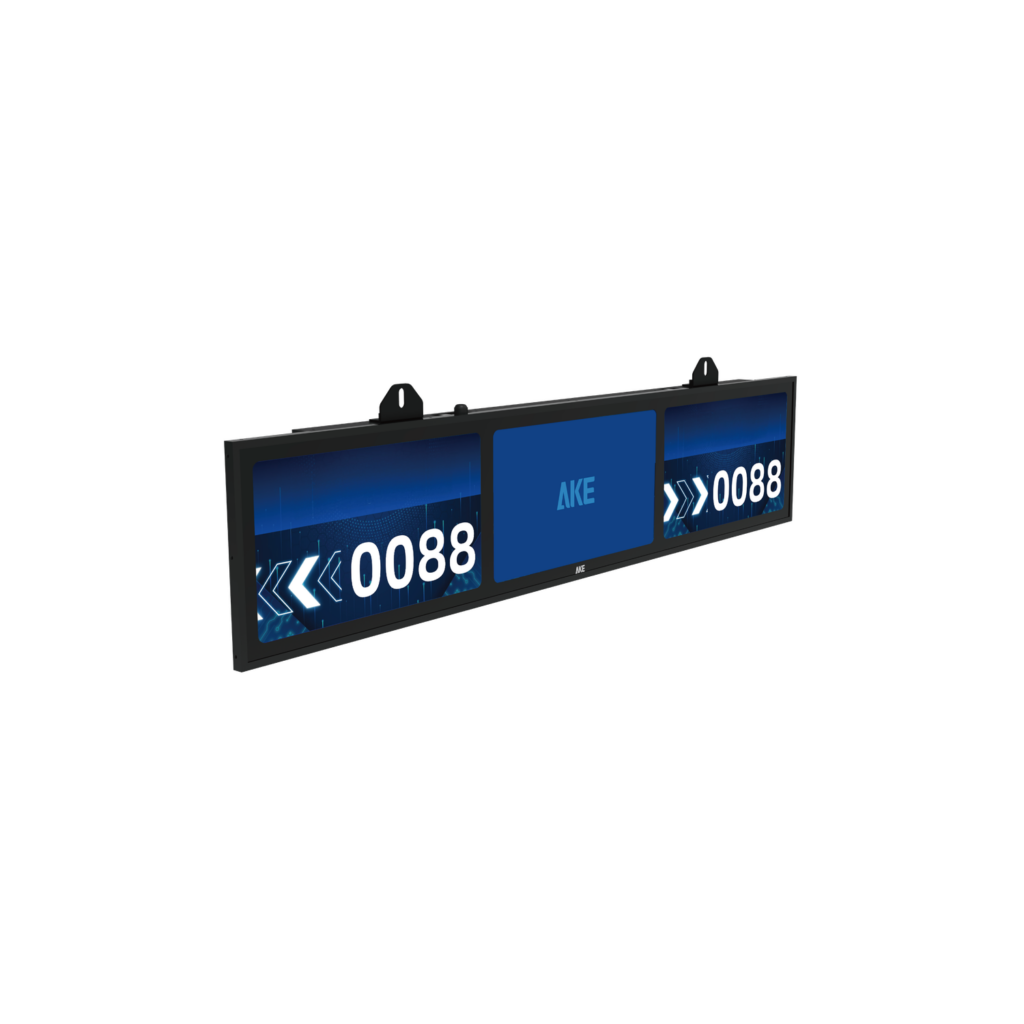
Technology contrasts
Single-space sensors (ultrasonic or magnetic) give a near-perfect vacancy read on individual bays; they excel where bays are fixed and line-marked. Overhead cameras and video analytics aggregate many bays with fewer devices and add plate-level intelligence, but they demand clearer sightlines and greater processing capacity. Radar and infrared sensors tolerate harsher weather and heavy dust, useful in industrial settings. Hybrid deployments combine direct detection for accuracy and camera feeds for monitoring and enforcement; compare detection accuracy, latency and false-positive rates when deciding.
Deployment and integration
On-premises controllers reduce dependency on network links but increase site maintenance responsibility; cloud-managed systems simplify updates and analytics but require reliable connectivity and a clear SLA. Integration with gate hardware, ERP systems and wayfinding signage must be assessed up front: dynamic signs and mobile apps are worthless without mapped bay IDs and tested failover rules. Choose systems that publish open APIs if you expect future integrations.
Cost, maintenance and lifecycle
Initial hardware varies widely: single-space sensors cost more per bay but reduce signage and backend complexity; camera approaches lower per-bay hardware cost but raise integration and analytics expenses. Factor maintenance labour, battery replacement cycles, firmware upgrades and the cost of recalibrating sensors after resurfacing. Model three- to five-year total cost of ownership rather than headline capex alone.

Evidence, experience and a real-world anchor
Municipal pilots such as San Francisco’s SFpark demonstrated measurable reductions in cruising for parking and clearer demand signals for pricing and guidance; practitioners who specify systems cite those findings when prioritising occupancy accuracy over bells and whistles. For municipal and large commercial work, specification sheets should mirror field-tested metrics; vendor documentation and case studies help, and one useful industry resource is parking guidance systems when you need baseline technical options. For product details and example deployments consult parking guidance systems llc to see the sensor and signage configurations commonly supplied to comparable sites.
Common pitfalls and how to avoid them
Do not underspec cabling routes or ignore lighting and sightline issues; poor site surveys cause repeat visits. Avoid over-optimising for one metric (for example, peak-hour throughput) at the expense of daytime turnover or enforcement needs. Don’t neglect firmware management: mismatched versions across devices create intermittent failures. Test fail states — power loss, network outages — and ensure signs present predictable fallback messages.
Choosing between alternatives
For heavy-vehicle yards and industrial campuses pick rugged sensors plus localized gateways and minimal overhead electronics. For retail and mixed-use car parks favour hybrid systems that combine single-space accuracy at entrances and high-traffic aisles with camera aggregation elsewhere. For urban short-stay schemes, camera analytics with good lighting and robust privacy controls is usually more cost-effective than equipping every bay.
Synthesis and practical value
Compare detection accuracy, maintenance footprint and integration openness; prefer modular architectures that allow incremental upgrades and avoid vendor lock-in. Practical operators value predictable maintenance schedules, clear diagnostic telemetry and concise failover behaviours. For many commercial and industrial buyers, that set of priorities points them to vendors offering modular sensors, robust signage and documented APIs such as AKE Parking which aligns with the configuration and support patterns most procurement teams expect.