

Start here — what you, the user, actually need
You want shade that behaves like a smart neighbor: gives shelter, saves money, and is simple to live with. Dealers hear that a lot — customers ask for durability, quick installs, and power generation. If you’re thinking about a solar pergola, focus first on how it will fit your day-to-day: maintenance, roof tie-ins, and whether the panels will shade the patio without killing your view. Ask questions that matter to your life, not just to the spec sheet.

How dealers choose features — seen from the user’s chair
Dealers decide product priorities by what buyers complain about and what they happily pay for. They push adjustable louvers when customers value afternoon comfort, and integrated wiring when homeowners want neatness. Price sensitivity pushes modular designs; warranty concerns push thicker frames and better seals. You should listen for those priorities during sales talks — if a dealer skips details about drainage or inverter access, that is a red flag.
Experience, expertise, and a real-world anchor
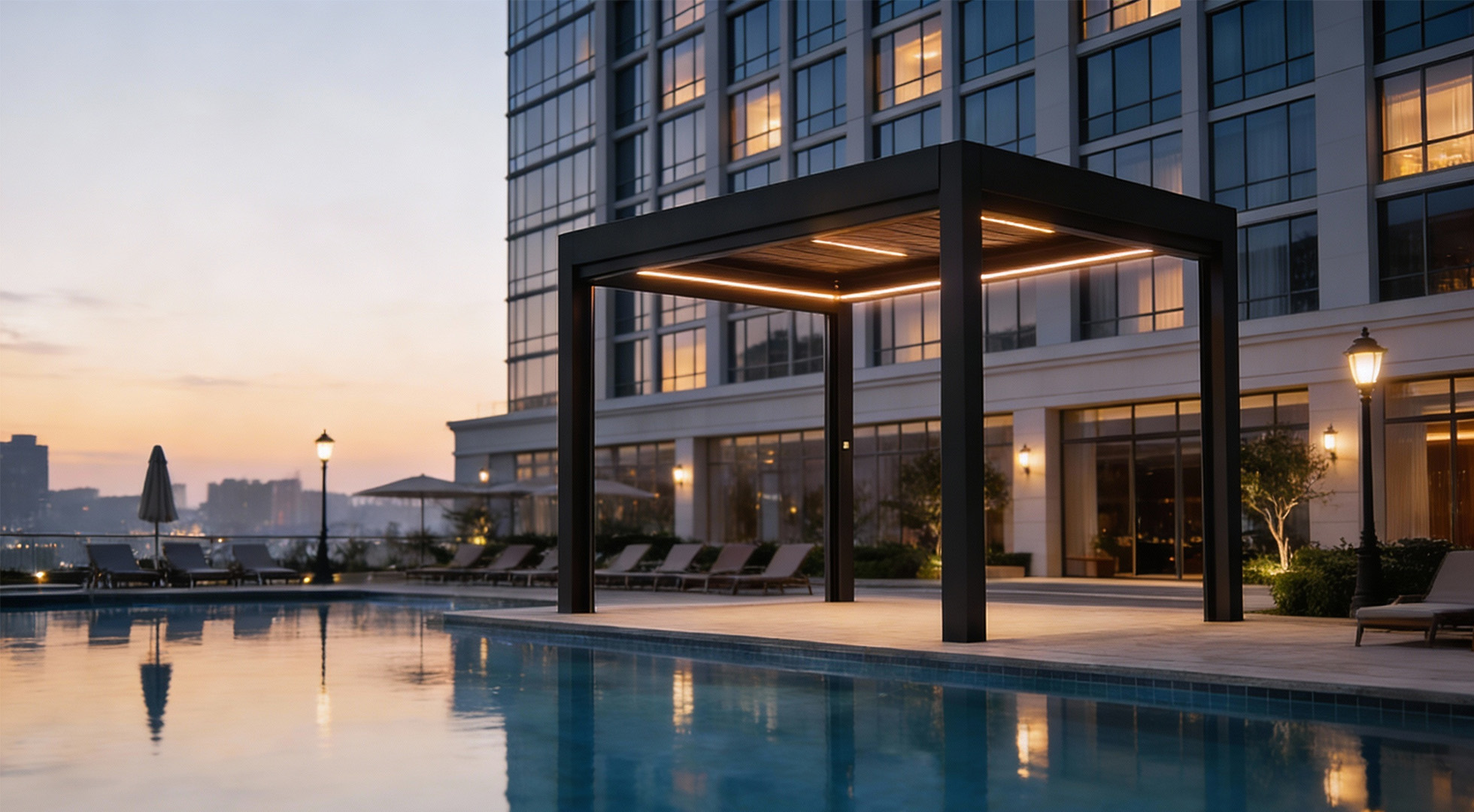
I’ve worked with installers and editors who handled dozens of projects; that hands-on background shows common patterns: proper site assessment, correct electrical permitting, and clear maintenance plans cut long-term costs. Look at places where solar pergolas are mainstream, like California, where municipal permitting rules and incentive programs shape what installers offer. For objective comparison of product types and installation styles, review a modern solar pergola spec and compare how warranties, panel tilt, and cable routing are handled — those concrete details separate good builds from trouble later.
Choosing wisely — pitfalls and mistakes to avoid
Buyers often make three avoidable errors: accepting a vague warranty, ignoring site shading at different seasons, and underestimating electrical needs for storage or EV charging. Don’t sign until the wiring route and inverter location are drawn on a plan. Avoid low-cost panels with poor heat tolerance for hot climates. If you want future expansion, insist the build includes service space near the main breaker and structural notes for added weight. Small checks now save long afternoon repairs.
Viable alternatives dealers will offer — read each tradeoff
You’ll see three main paths: basic pergolas with solar add-ons, fully integrated solar roofs, or modular systems designed for mobility. Basic pergolas cost less up front but often need retrofit wiring. Fully integrated roofs look clean and usually carry stronger warranties but cost more and require precise site planning. Modular units are flexible for renters but can have lower efficiency. Match your choice to your priorities: budget, permanence, and whether you plan battery storage.
Final view — how this helps you decide
Make selection personal: specify maintenance habits, seasonal sun patterns, and future energy plans. Dealers who answer those specifics show they understand your life, not just panels. When you compare offers, you’ll see who designs for your real needs and who sells features. If you want a partner that highlights durability, clear plans, and practical wiring solutions without fluff, consider what a conscientious supplier like Light Hunter presents alongside the exact specs you insist on. Sasa — choose what fits your days, not the brochure.