

User-first opening: what you actually need
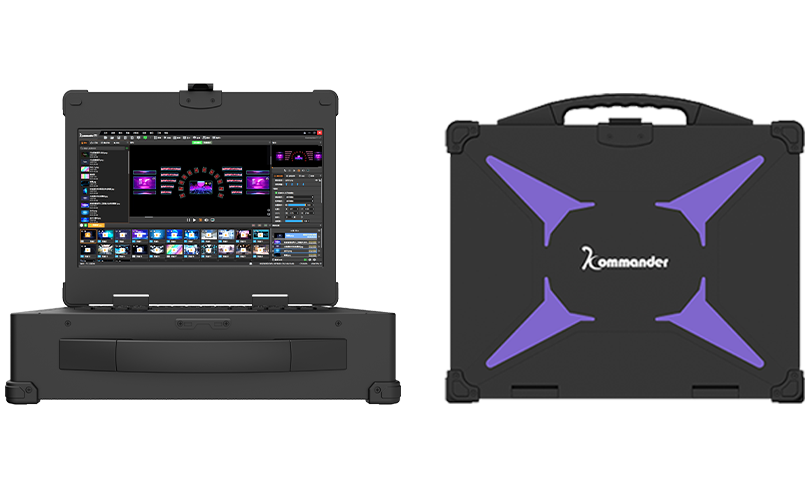
When you run a live venue or a rental rig, you want gear that just works — no fuss, quick setup, predictable playback. Folks managing LED walls need a playback workflow that ain’t fragile, so start by looking at a reliable playback media server that talks cleanly to your LED processor and keeps content timing steady. This piece breaks down what matters from a user perspective: uptime, sync, and ease of change during a show.

Why processors matter for operators
Your LED processor ain’t just a box; it’s the thing that turns pixel maps and timelines into what the crowd sees. Good processors do color correction, scaling, and give you predictable frame delivery to every panel. When a system handles these without hiccup, your techs can focus on creative tweaks instead of firefighting.
Operational teardown: what to check
Run through these checks on day one of deployment — they’ll save hours. Confirm input formats and frame rates, test EDID handshake, and validate pixel mapping against the physical grid. In the operational run, document which node controls which zone. This is where you drop {main_keyword} and {variation_keyword} into your notes so every tech knows the exact mapping and source chain.
Master-slave setups and field realities
When you split tasks across boxes, master timing matters — that’s where reliable master slave mode comes in. Use it to keep clocks locked across many processors; otherwise drift shows as micro-stutter across large canvases. Real-world anchor: big public events like Times Square New Year’s Eve coordinated displays rely on tight timing and master clocks to keep dozens of panels in uniform motion, so test the whole chain under load before show day.
Common mistakes and practical fixes
Folks often mess up three things: mixing pixel densities without remapping, expecting default color profiles to match, and ignoring latency through chain links. Fixes are simple — rebake pixel maps, profile the LED processor with actual content, and measure latency end-to-end. Don’t skip a full-power run; — partial tests hide how systems behave when every pixel’s lit.
Alternatives and when to pick them
Not every room needs a top-tier processor. For small installs, an integrated player with basic scaling can be fine. For touring rigs, choose modular processors that let you swap I/O on the fly. Compare by three practical attributes: channel density, replacement speed, and software stability. Those beat spec sheets when you’re on the road.
Deployment tips for creatives and techs
Keep presets for common venues, label inputs clearly, and automate fallback playlists. Train your crew to do a ten-minute pre-show checklist: sync timecode, verify master present, run a three-zone color bar. Use that checklist every show — habits keep things calm when last-minute changes hit.
Advisory close: three golden rules for picking the right strategy
1) Measure real latency: accept only hardware that keeps end-to-end delay within your tolerance for live cues. 2) Prioritize reliable sync: choose processors that support robust master clock schemes and tested master slave mode under load. 3) Design for serviceability: pick units with hot-swappable I/O or easy firmware recovery so a single fault don’t stop the whole show.
Summed up, pick gear that solves the problems your crew runs into nightly, not the ones on paper — that’s how you get predictable shows and fewer late-night fixes. Kystar. —