

Introduction
I remember standing in a damp factory corner, watching rolls of nonwoven material crawl through a machine like a small town parade — and thinking, there must be a better way. Recent figures show manufacturers who invest in line optimisation cut downtime by up to 30% within a year; and yes, this article will touch on wet wipes production line promotions that make that happen (grand, isn’t it?). How do you balance speed, quality and cost without losing your head — or your margins? Let me walk you through a scene, some hard numbers, and then ask the question we all dread: are you running the production line, or is it running you? This sets us up to dig into control layers and real pain points next.
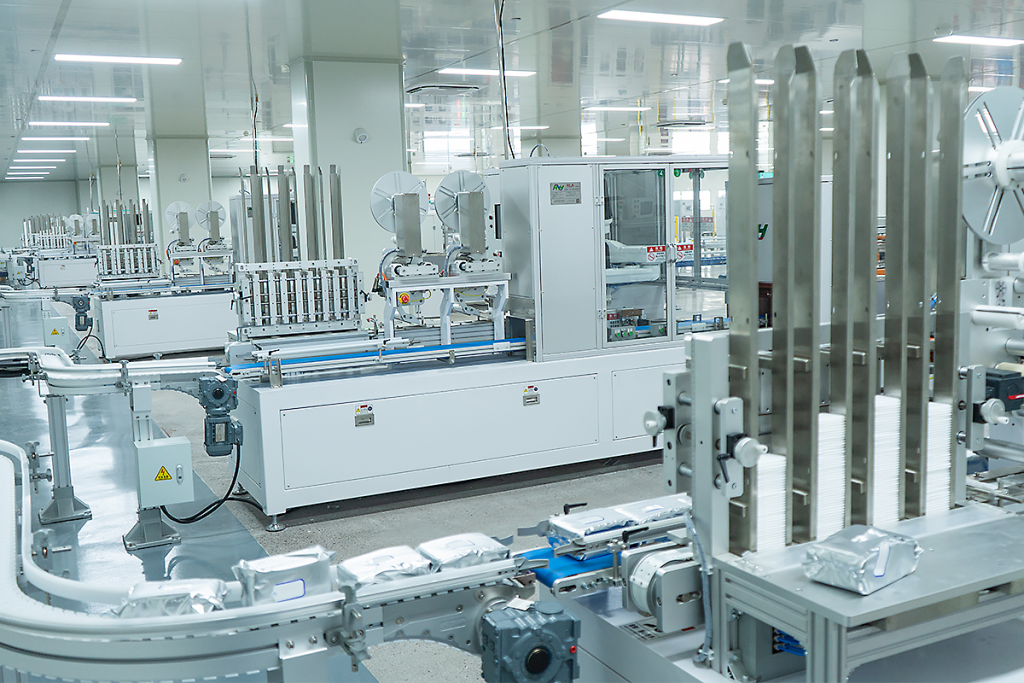
Main Problems with Traditional machinery control systems
When I first audited a plant, the control room looked like a museum of missed chances. The old PLC stacks and paper logs had charm — but they hid failures. The real culprit was often the control layer: brittle logic, slow SCADA screens, and MES handovers that required manual checks. I point to machinery control systems straight away because that’s where most cost leaks begin. Look, it’s simpler than you think: poor I/O mapping, outdated HMI layouts and weak alarm management create repeated stoppages. Add in shaky servo tuning and intermittent sensor faults, and you have a line that sighs more than it runs.
What keeps operators up at night?
Operators tell me the same things — inconsistent sheet tension, random web breaks, and a system that won’t tell you why. The pain is real: product scrap, lost shifts, frantic changeovers. The result? Teams spend hours troubleshooting instead of improving. We also found that power converters and ageing drives cause performance blips that show up as quality drift. In short, the technology might be working — but not working together. That mismatch is where modern SCADA, MES and clearer PLC logic could change everything.
New Technology Principles and Practical Steps
Moving forward, I want to outline simple principles that actually help on the floor. First: decentralise smart decisions to edge computing nodes so faults are caught locally and fast. Second: harmonise data — a single source of truth — so everyone sees the same numbers. Third: automate routine tuning (servo motors, material feed) so operators focus on exceptions. I’ll say it plainly: better architecture in your machinery control systems reduces firefighting and raises output. If you design with modular HMI screens, clear alarm priorities, and smart drive profiles, changeovers become shorter and quality steadier — funny how that works, right?
What’s Next — practical checklist
Here are three metrics I use when evaluating upgrades: 1) Mean time to recover (MTTR) after a stoppage; 2) Overall Equipment Effectiveness (OEE) improvement target; and 3) Data fidelity — the gap between sensor reading and true value. If a vendor can’t give you those numbers, walk away. We’ve seen pilots where simple MES integration and a tidy SCADA redraw cut scrap by 18% and saved a shift a week in troubleshooting. I prefer semi-formal plans that operators can read at a glance. Keep it human. Keep it local. And don’t forget — the brand behind many of these solutions is ZLINK.