

Introduction
Have you ever stood in a dim barn and asked, “Is this light helping or hurting my birds?” Led barn lights are more than bright bulbs—they shape behavior, health, and profit. Recent on-farm trials suggest lighting tweaks can change feed intake and egg output noticeably (some farmers report differences you can see on the ledger). So where should you focus first: brightness, color, or control? Let’s unpack the choices and find the right angle for your operation—starting with the problems most people miss.
Where Common Fixes Fall Short: The Technical Breakdown
I want to be blunt: swapping to LEDs and calling it a day often misses the point. When we talk about poultry lights in barns, the system matters as much as the bulbs. A typical retrofit may improve energy use, but if the LED driver, lumen output, and CCT (correlated color temperature) aren’t matched to the barn’s schedule and flock needs, you get uneven light, startled birds, and spotty production. I’ve seen setups where power converters weren’t rated for the dimming profile — the result was flicker that stressed hens. That’s not hypothetical; it’s real stress on your birds and your margins.
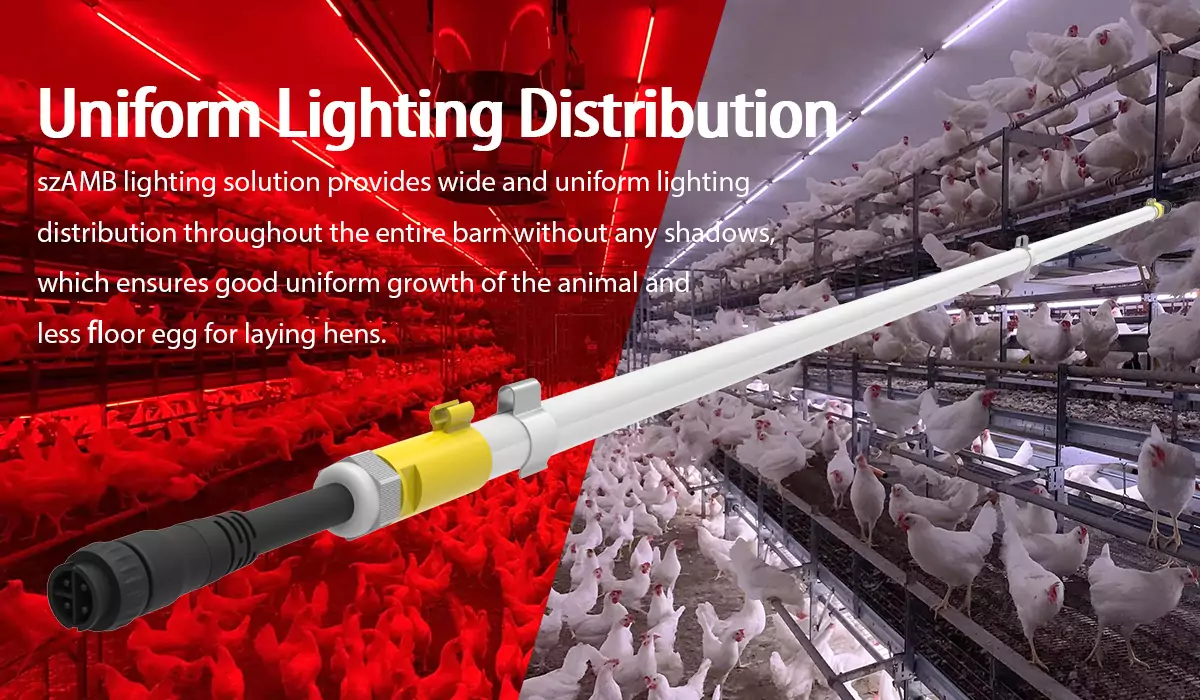
Technically speaking, photometry and control integration are the missing links. Photometry tells you how light spreads; without it, you’ll have hot and cold spots that drive pecking and clustering. Dimming profiles and LED driver stability influence circadian cues; get those wrong and behavior changes in ways you can’t easily fix. Look, it’s simpler than you think to spot these flaws: check for consistent lumen output across fixtures, verify the driver supports smooth dimming, and confirm CCT suits bird species and age. — funny how that works, right?
Why does this still happen?
Because many decisions are made with purchase price in mind, not system design. I’ve sat across from producers who bought “farm-rated” lights that weren’t farm-engineered. The result was short-lived savings and long-term headaches.
What’s Next: Principles for Better LED Barn Lighting
Moving forward, I focus on principles, not products. New installations should begin with a lighting plan that treats poultry lights as part of an animal management system. Start by mapping lux targets by zone, then choose fixtures with consistent lumen output and verified photometry. Integrate controllers that can replicate natural dawn-dusk curves and support gradual dimming — that keeps birds calm and on schedule. We’ve adopted this method in trials and the behavior changes are clear: smoother flock movement, steadier feed conversion, fewer peak-and-crash events.
Semi-formal note: you don’t need exotic tech to get big gains. A well-specified LED system, proper LED driver selection, and simple automation often out-perform flashy features. I advocate for predictable outcomes over gimmicks. Also — small wins compound; a 5% steadier feed conversion matters. What’s next is scale: test, measure, adjust. Real-world pilots help more than specs sheets alone. — and yes, you will want to re-check curves after seasonal shifts.
Real-world Impact
I’ve summarized what I’d evaluate when choosing a system. Here are three practical metrics to weigh before you buy: 1) Lumen uniformity across key zones (not just peak lumens); 2) Driver and dimmer compatibility (no flicker, stable current); 3) Control flexibility (programmable dawn/dusk, schedules, and fail-safe modes). Use those to compare options side-by-side.
In my experience, these metrics cut through marketing noise and reveal which setups deliver consistent welfare and ROI. If you want a reliable partner for testing or a second opinion on specs, check out szAMB. I’ll be honest — the right light changes how your birds behave, and that changes your bottom line.