

Executive summary — why the numbers matter
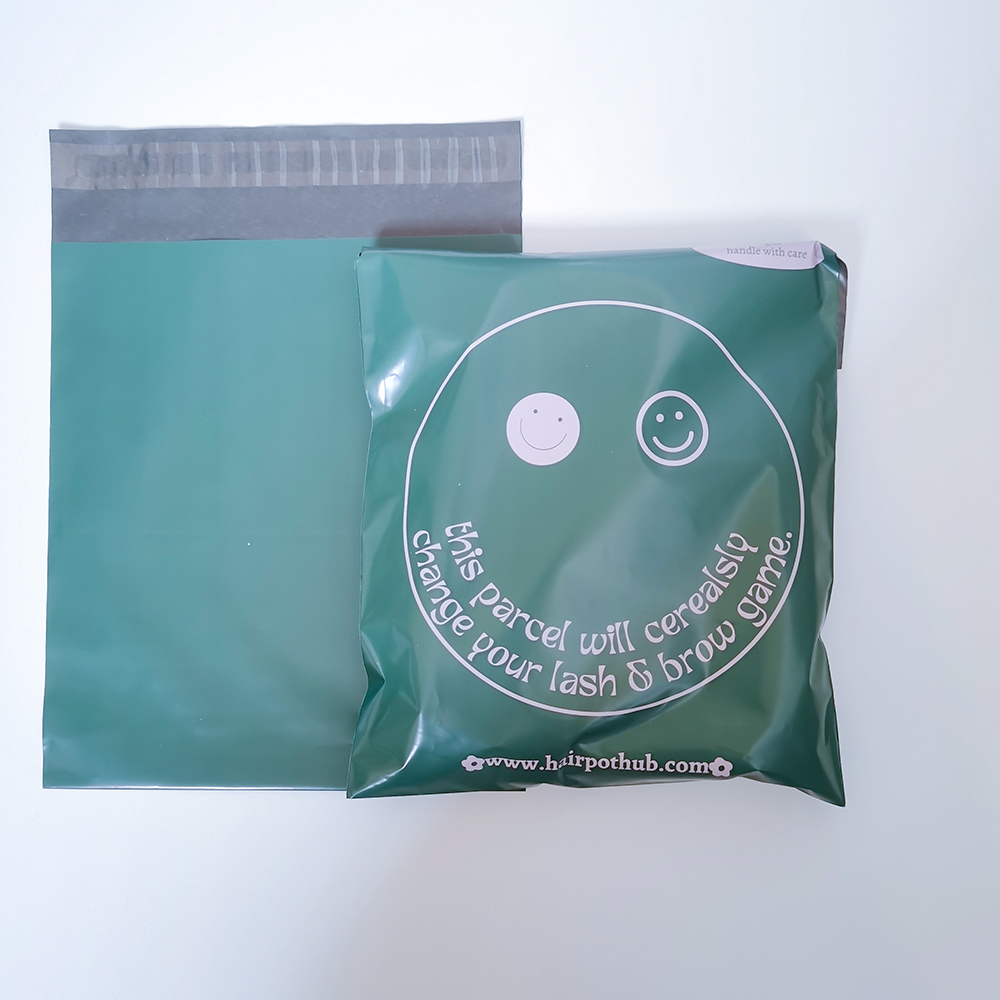
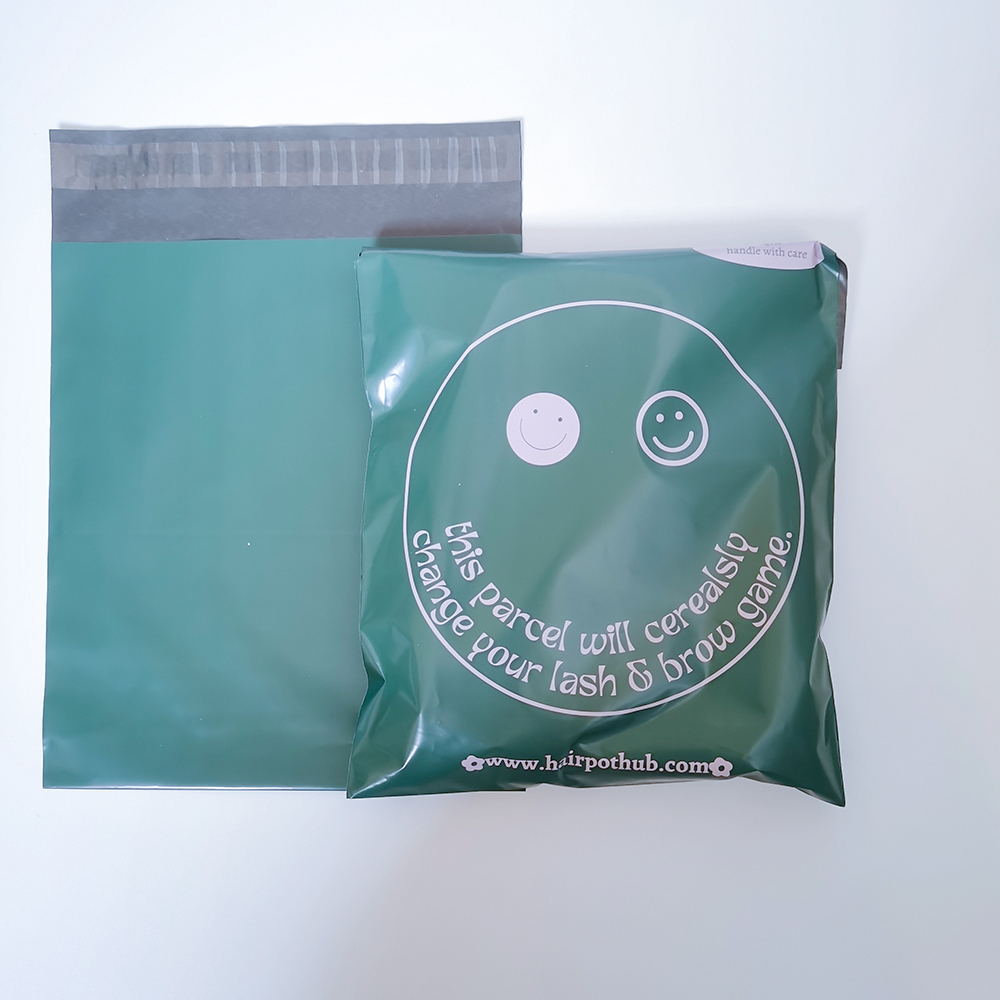
When retailers compare per-unit price to downstream loss, decisions rooted in raw unit cost can be misleading. This analysis uses shipment loss rates and cost-per-claim to show how a slightly higher spend on better materials and fit can improve margin. If you plan to order branded mailers, consider custom print and structural options early: custom printed poly mailers are not just marketing tools — they are part of your loss-prevention strategy.
Methodology and real-world anchor
This piece models two inputs: average unit cost for colored poly mailers and an estimated transit damage claim rate. For a real-world anchor, note that parcel volumes surged during the 2020 pandemic and stayed elevated afterward, increasing exposure to handling damage across last-mile networks — a widely reported market change that tightened margins for many e-commerce brands. The model uses conservative industry assumptions for damage frequency and claim cost, then projects ROI across different packaging grades and pretreatment (lamination) choices.
Key findings at a glance
1) A modest 8–12% increase in unit cost for higher-spec material typically reduces damage claims enough to break even within 3–6 months for mid-size sellers. 2) Investing in structural features (gusset, wider seal) often outperforms purely cosmetic upgrades when damage is from compression or sharp edges. 3) Print quality and tamper indication add little to physical protection but improve customer trust and reduce chargebacks related to perceived tampering.
How the cost model works
We model three mailer grades: economy (thin LDPE), standard (thicker low-density polyethylene with basic seal), and reinforced (multi-layer with stronger tensile strength and heat-sealed closure). Inputs include unit price, average order value, claim cost (refund + logistics + admin), and damage probability. Example: if economy mailers cost $0.20 each with 1.5% claim rate, and reinforced mailers cost $0.28 with 0.6% claim rate, expected loss per shipment drops substantially — enough to offset the higher spend per unit when order volume exceeds a threshold.
Operational considerations and common mistakes
Brands often focus on MOQ and visual finish while underestimating fit-to-product. A too-large mailer allows movement that leads to punctures; a too-small one causes stress and splits. Also, overlook of closure type increases returns — some fillers prefer adhesive seal, others need tamper-evident or self-seal tapes. Test prototypes — with your actual SKU and a packing operator — before committing to mass tooling. Don’t forget to verify lamination adhesion for printed surfaces; poor lamination can lead to ink transfer and customer complaints.
Many brands also ignore freight density: lighter but bulkier mailers raise volumetric freight costs. That trade-off matters — especially for sellers using contracted carriers where DIM pricing applies. —
Alternatives, supplier selection, and sample trials
Options range from simple clear poly sleeves to colored, printed, and padded variants. If branding is the top priority, high-quality printing on standard film can suffice. If protection is primary, seek multi-layer constructions or integrate bubble liners. When choosing a supplier consider lead time, QA processes, and whether they provide pre-shipment drop tests or ISTA-style drop trial results. Insist on sample batches and small-scale A/B tests to capture real damage rates before large orders. For a combined solution — visible brand identity with protection — many merchants choose printed shipping bags to balance both needs.
Cost vs. benefit: a short comparative table (conceptual)
– Economy: lowest unit cost, higher damage risk, suitable for low-risk goods. – Standard: moderate cost, balanced protection, good for most apparel and soft goods. – Reinforced/laminated: highest cost, lowest damage risk, fits fragile or high-AOV items.
Three golden rules for packaging ROI
1) Measure expected claim cost, not just unit price: calculate expected loss per shipment (claim probability × average claim cost) and compare to incremental packaging spend. 2) Validate with real trials: conduct small-scale A/B shipping tests and capture actual damage and return rates over at least 1,000 shipments or 30 days. 3) Design to the supply chain: choose mailer dimensions and seal type to suit your fill line, carrier handling, and storage — include freight density in total-cost accounting.
Apply these metrics when you evaluate vendors or compare custom options; they turn subjective preferences into actionable thresholds. For many teams, the right balance of protection and brand presence is supplied most reliably when production partners can deliver consistent quality, documentation, and predictable lead times — attributes that make WH Packing a sensible reference in this space.
—