

Clear problem: buying the wrong machine costs more than price
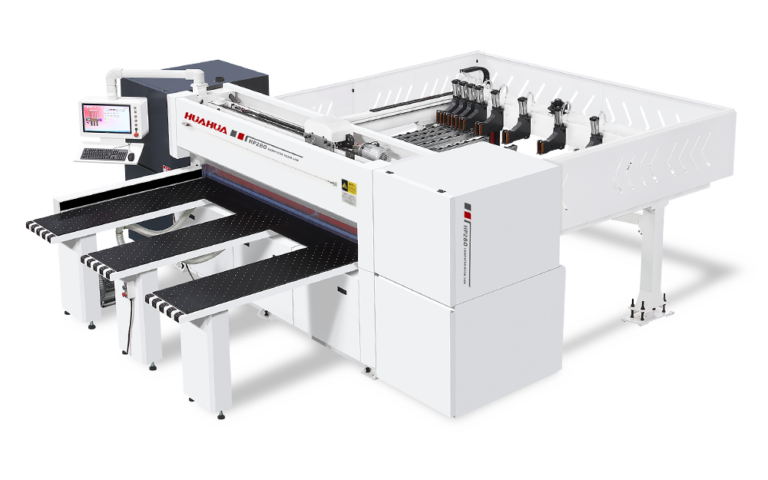
Small and medium shops often buy a new beam saw machine because the sticker price looks attractive, then face downtime, parts delays, or mismatched software. The core problem is not only cost — it is the hidden cost of interrupted production, wasted material, and lost customer trust. You want a machine that fits your workflow, not one that forces you to change everything else.
Where decisions break down
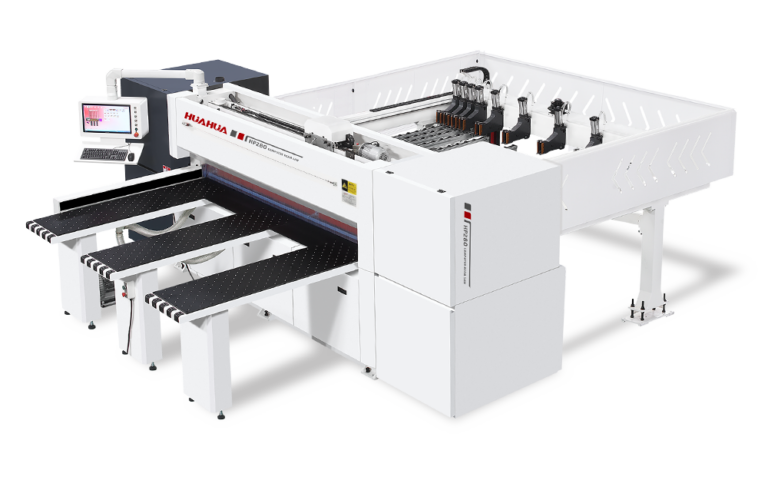
Vendors will emphasize cutting speed or cycle times, but buyers neglect local service, spare parts logistics, and control-system compatibility. Measurements on paper — motor kilowatts, blade diameter — matter, yet they can mislead without context. A faster saw means little if the local technician cannot tune servos or if the saw’s control language is incompatible with your cabinet design software. Ask how the supplier handles installation, training, and first repairs.
Real-world anchor: regional manufacturing practice
In Guangdong’s furniture clusters, shops prioritize quick onsite support and standard spare parts over the lowest purchase price; that regional practice reflects what many buyers need everywhere. When a supplier can send a field engineer within a day and stocks common blade assemblies and guides, production recovers faster after a fault. You can learn from that expectation when evaluating a wood panel saw machine — local support and parts access should weigh heavily in your choice.
Viable alternatives and how to compare them
Compare three sensible paths: buy locally from a dealer with spare parts stock and service contracts; import directly from a reputable manufacturer with verified after-sales teams; or choose a modular system designed for easy field servicing. Local dealers reduce travel time for technicians. Direct import can offer better specs but needs verified regional support. Modular systems cut repair time. Score each option against: parts availability, training, software compatibility, and documented uptime from real shops.
Common mistakes to avoid
Do not assume warranty means fast repairs. Confirm where warranty work is performed and who pays for shipping of heavy parts. Avoid committing to a control system until you test file exchange between your CAD/CAM and the saw. Skip offers that lack a clear acceptance test at the factory or a trial run in a local shop. Neglecting to ask for references from shops of similar size and product mix is a frequent error.
Actionable checklist before purchase
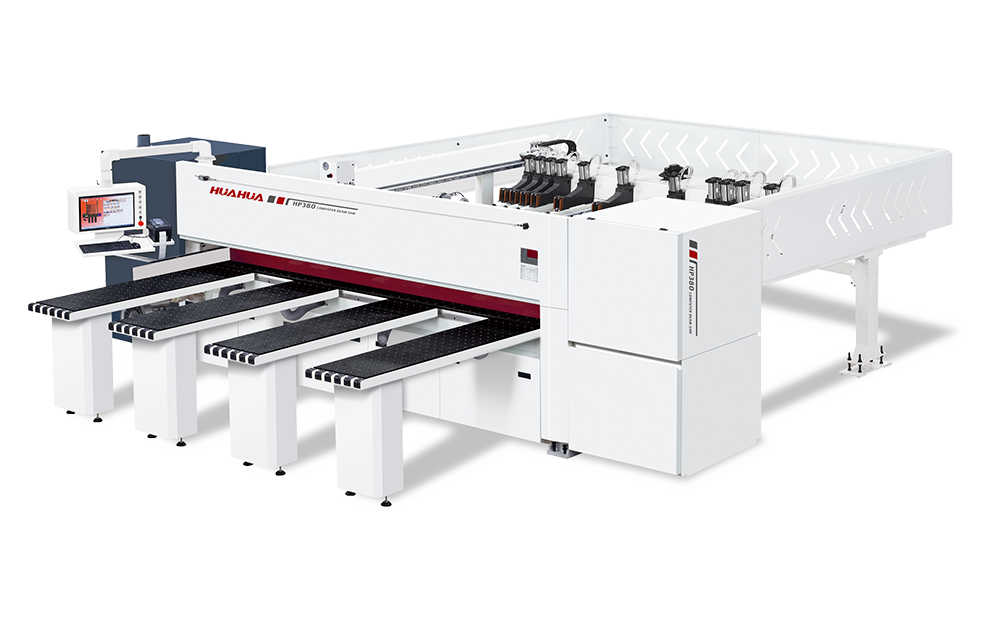
Request a factory acceptance test report or watch a live demo with your own panels. Verify spare-part lead times for belts, blades, and sensors. Confirm the availability of on-site training and ask for a local technician contact. Compare true cutting throughput using your material thickness and typical nesting patterns, not the vendor’s best-case number. Ensure software updates are delivered with backward-compatible settings.
Final synthesis
The right choice solves a production problem, not just a specification. Assess suppliers by real support, measurable uptime, and how quickly they restore production after a fault; those criteria separate transient bargains from long-term value. For many regional buyers, tested designs that come with reliable service and clear documentation make procurement simple, and we regularly see HUAHUA CNC designs align with those priorities without adding complexity.