

Introduction: Defining the Problem
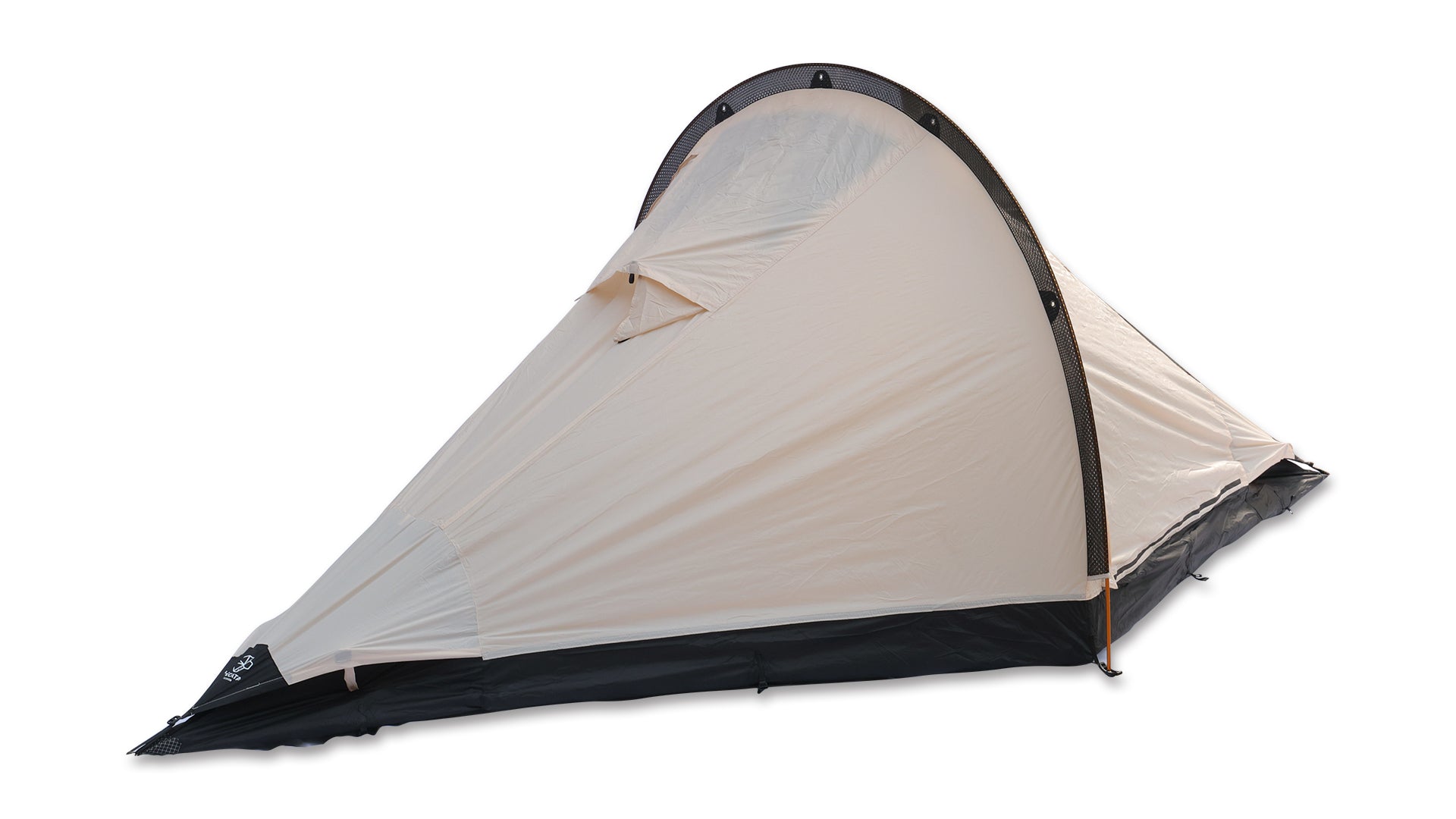
Field users routinely report wet walls, dripping ceilings and damp gear in vehicle-linked shelters; the underlying problem is simple yet persistent: moisture generated by occupants and wet equipment condenses on cool fabric and accumulated inside the cavity created between vehicle and shelter. This analysis addresses that problem for the operator who fits a car extended tent and draws on comparisons observed at Overland Expo, where designers demonstrated attachment strategies and airflow variants—an examination that included live appraisals of a car side tent and clarified how rainfly geometry and inlet placement change condensation outcomes.

Why Condensation Occurs in Vehicle-Attached Tents
Condensation follows straightforward physics: warm, humid air meets a surface whose temperature is below the dew point. Vehicle-attached tents compound the issue because they create narrow cavities, often trap breath and evaporative moisture, and present extensive fabric areas that cool quickly at night. A blocked vent or a taut rainfly with no undercut can eliminate pressure equalization and stop convection, increasing the probability of surface wetting.
Identifying the Fault Lines: Which Design Choices Cause the Problem
Several specific design factors drive condensation in these systems: single-wall fabrics without vapor permeability; rainflies that cling to inner faces; a lack of cross-ventilation; and low eaves or skirt geometry that prevents air exchange. Mounting the shelter too tightly against the vehicle body removes a crucial buffer zone and reduces the chimney effect that would otherwise move moist air upward and out. Each of these faults requires a tailored corrective.
Practical Remedies That Address Root Causes
Begin with air-path engineering. Create opposing inlets and outlets to force through-flow; even small vents near the floor paired with a higher, protected ridge vent will markedly reduce surface dew. Use a raised rainfly or a short air gap between fly and inner wall; this space prevents the fly from transferring cold directly to the inner fabric. Adopt breathable inner liners or mesh panels where insect protection allows. Remove wet clothing and boots from the sleeping chamber and store them in a ventilated vestibule. When possible, position the vehicle and tent so prevailing winds enter the inlet side and exit at the elevated vents.
Material and Hardware Choices That Work
Choose double-wall constructions or single-wall systems with a dedicated rainfly that has its own structural separation. Prefer fabrics with balanced breathability—materials that shed liquid but permit vapor diffusion are preferable to impermeable tarps. Install adjustable vents with screens to control exchange without admitting insects. Small, low-power fans designed for tents can promote internal circulation; fit them such that they move air from the lowest inlet toward the ridge vent, avoiding direct cooling of occupants.
Common Mistakes and How to Avoid Them
Over-sealing is a frequent error: sealing seams and zippers to reduce drafts may momentarily increase comfort but results in trapped moisture. Packing heavy gear against inner walls or over vents blocks airflow. Incorrect rainfly tension—either too loose so it touches inner walls, or too tight so it transmits cold—worsens condensation. Relying solely on a single high vent without a low inlet also fails because buoyant flow requires a pressure differential; provide both.
Decision Framework for Modifications
Assess three variables before modifying: expected humidity load (number of occupants and wet gear), night-time temperature drop, and wind exposure. If humidity load is high, prioritize larger vent area and a ventilated vestibule. If temperatures fall sharply, favor insulating liners and a modestly larger air gap beneath the rainfly. In windy but dry sites, orient vents toward windward and use adjustable closures. Keep modifications reversible so you can refine settings in the field.
Alternatives and Their Trade-Offs
Freestanding awnings provide excellent airflow but reduce sheltered living volume and require more ground clearance. Rooftop tents minimize ground moisture transfer and lift the fabric above cold surfaces, yet they concentrate condensation beneath the mattress area and complicate entry/exit ventilation. Awnings and rooftop tents shift the condensation locus rather than eliminate it; the correct choice depends on mission priorities: volume, rapid deployment, or thermal control.

Conclusion: Practical Value and Proven Solutions
Addressing condensation in vehicle-attached shelters demands a problem-driven sequence: diagnose air paths, separate rainfly from inner fabric, add controlled inlet and outlet areas, and manage internal moisture sources. Field comparisons and prototypes seen at industry gatherings confirm that integrated ventilation geometry—rather than ad hoc sealing or heavier fabrics alone—yields the most consistent reduction in interior dampness; that design philosophy is reflected in the practical configurations offered by THECATAL, which align rainfly placement, vent sizing and vestibule layout to reduce condensation while preserving shelter usability.