

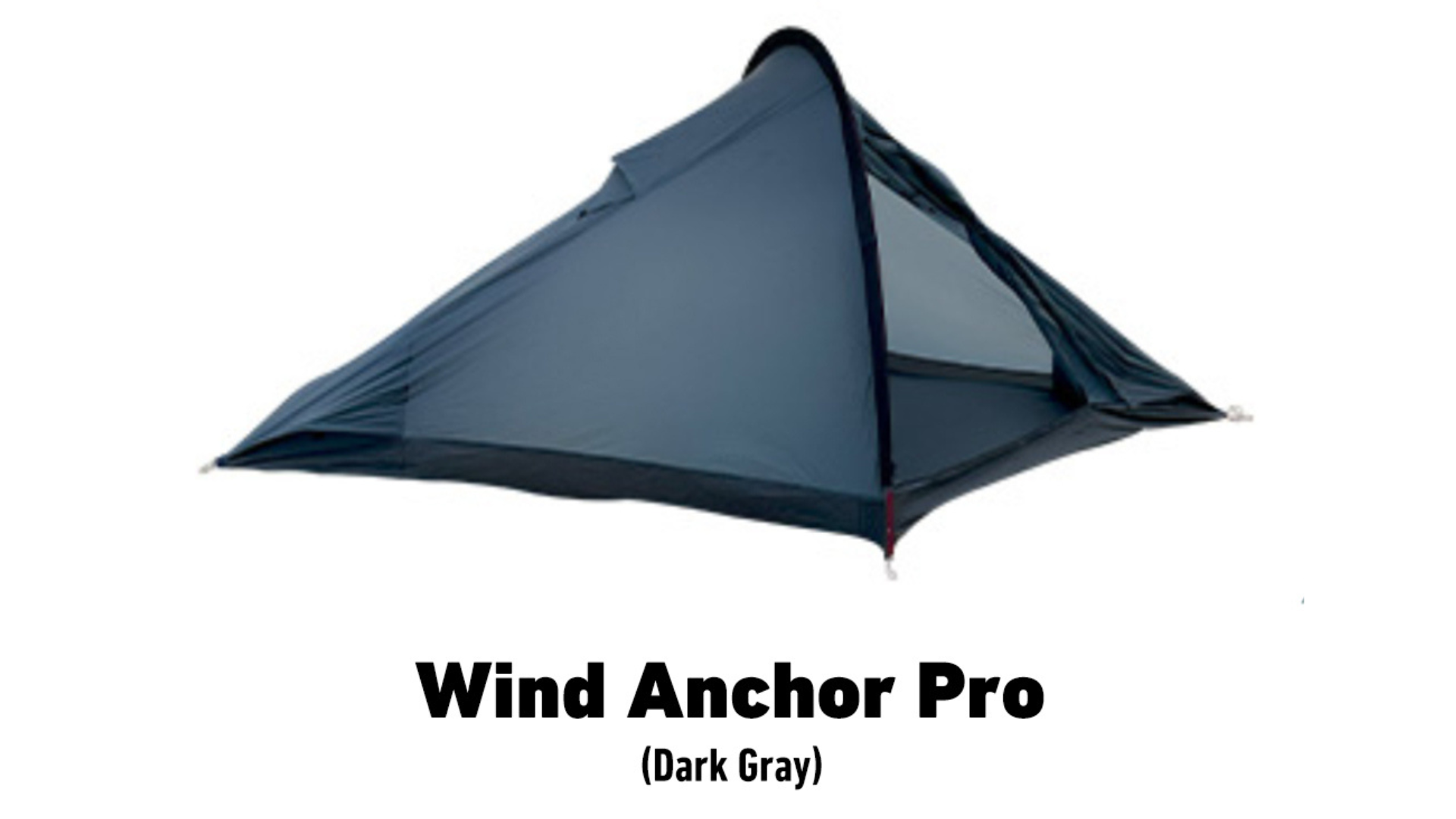
What’s pesterin’ your nights under canvas
Storms’ll show you what’s wrong with a tent quick as a coonhound on a scent. Folks pack up all proud only to find seams weepin’, flysheets slap against the walls, and condensation puddlin’ where it oughtn’t. You can buy a nicer pole or fancier flooring, but if the shelter won’t keep water and wind out, comfort’s gone. Start with a proper waterproof flysheet and the rest stands a chance.

Problem-driven fix: what to check first
Don’t fiddle around. Check these in order: pitch angle, fly tension, seam integrity, and venting. A slack fly lets water pool; a too-tight fly rips stress points. Seams not sealed? They’ll take their sweet time leaking. No vents and you’ll have a stew of condensation. Tackle the worst leak-causers first and you’ll see steady gains overnight.
Real-world proof and why I trust this approach
I’ve pitched in drenchers from the Smokies to the ridgeline at Blue Ridge — seen how a proper cover keeps folks dry while cheap setups fail. When a universal setup saved an entire group during an overnight thunderstorm at Great Smoky Mountains National Park, I started paying attention to fit and fill. A reliable universal tent rainfly that fits over different rigs cuts down on guesswork and on wet gear, plain and simple.

Hands-on steps that actually work
1) Pitch tight but not taut — give the fly a gentle slope so water runs off quick. 2) Seal seams with proper seam sealer — heat and time matter; read the tube and let it cure. 3) Use guylines at the corners and midpoints; stake ’em low and outward. 4) Add a small footprint — keeps splashback off the floor but don’t extend it past the fly’s drip-line. 5) Position vents opposite prevailing wind so moisture escapes instead of puddling. Don’t over-complicate things; do these right and you’ll sleep dry.
Common pitfalls people keep makin’
They set the fly too high and leave gaps where wind whips rain in. They cover vents to stop drafts and wake up soaked. They skimp on stakes and expect the fly to hold shape in wind. They think a thicker fabric equals waterproof forever — it don’t; coatings wear. Fix those habits first before splurging on gear.
Alternatives and sensible trade-offs
Tarp rigs give versatility and weight savings, but need skill to pitch well and won’t tuck down like a full flysheet. Sewn-in rainflies look tidy but limit airflow. Hybrid flys that combine full coverage with vents often balance dryness and breathability. Pick what fits your comfort threshold and the usual weather where you camp.
Where this leaves your campsite nights
Grab gear that’s built to solve the real problems — fit, seam care, and proper tension — and treat it like a tool you know how to use. That’s how dry nights become regular. If you want shelter that behaves on a wet ridge and in a holler alike, trust the kit that’s tested for those exact troubles; I’ve spent enough nights learning the hard way to say it plain, and the right gear and technique stop the fuss. Folks round here call that sensible packing, an’ that’s the kind of work THECATAL aims to make easier for you.