

Opening: quick frame
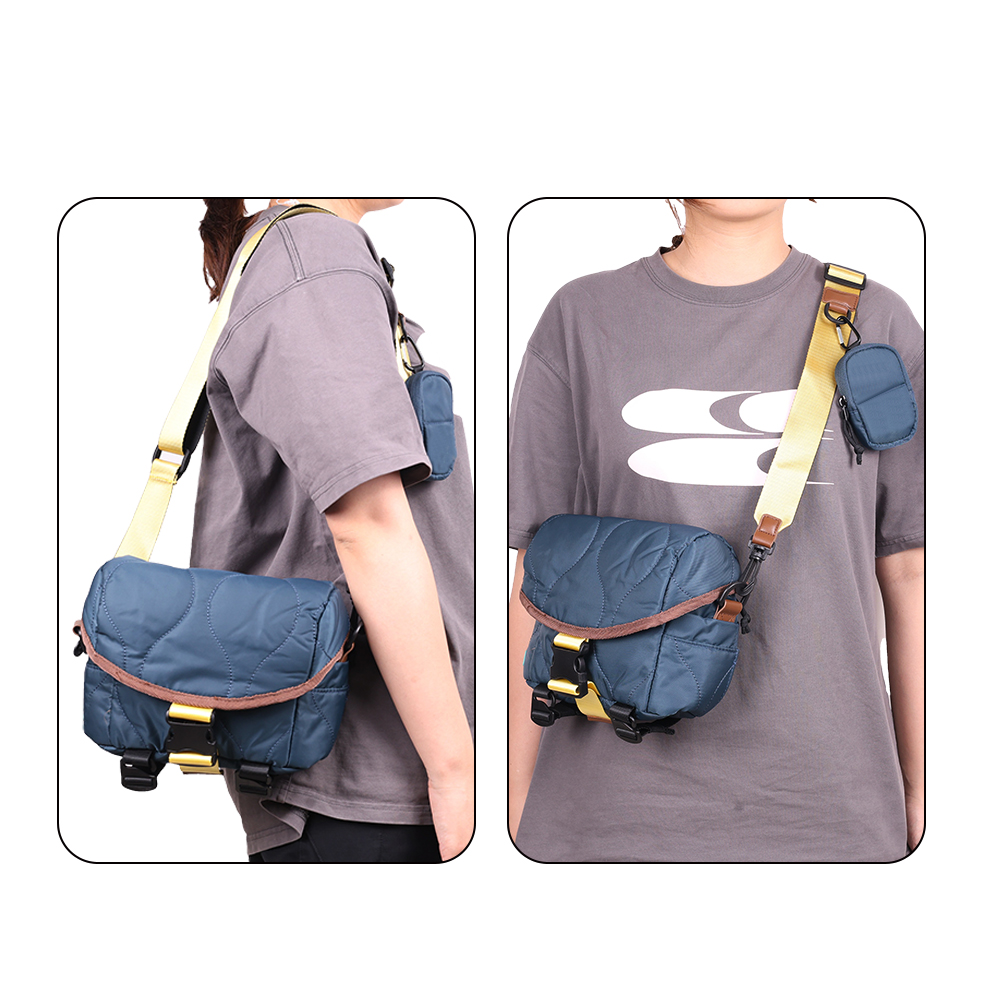
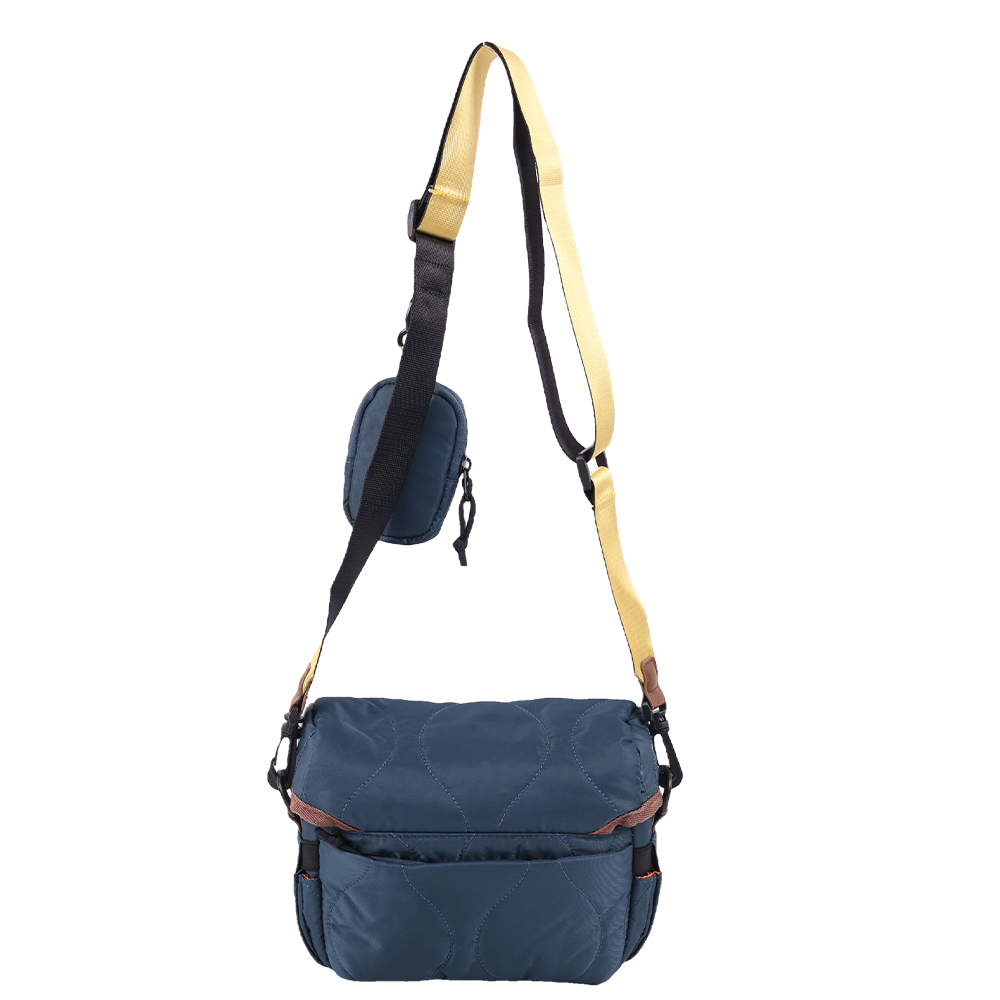
Deciding between price, speed, and build. Short trade-offs. You want a bag that performs, not just looks good. For gear that follows you on shoots, consider a camera sling bag. Compare like-for-like. Choose what fails less often.
Where the costs hide
Price is not only material. Tooling and minimum orders bite. Low unit cost often needs high volume. Quick samples cost more per piece. Raw fabric choices — Cordura, TPU laminates, YKK zippers — change final cost sharply. Be precise with specs. Ask for BOM, not poetic descriptions.
Lead time: what elongates it
Sampling cycles. Vendor queue. Shipping windows. Customs delays. Small changes add weeks. A new zipper color? Two weeks. A structural change? Rework, more samples. If you want faster, accept higher per-unit cost or smaller complexity. Simple designs ship faster. Complex inserts and metal fittings mean patience.
Quality: measurable choices
Quality is measurable. Stitch count per inch. Tensile spec for webbing. Waterproofing measured in hydrostatic head ratings. Ask for lab tests when you can. A bag that survives daily rain and sand is different from one that merely resists a drizzle. Specify tests. Demand photos of production checks.
Experience and evidence — why you can trust this view
I’ve reviewed supplier specs and production reports for brands and freelance teams. Field needs are clear from tough environments — Patagonia’s rain and wind often expose weak seams and zippers. Photographers who work there expect true water resistance, not marketing lines; they look for proven construction and reliable closure systems, so a tested waterproof camera bag matters. Request inspection photos, QC protocols, and third-party test results. Look for documentation. That’s expertise you can verify.
Comparative insight: common manufacturer types
Local ateliers: higher price, lower MOQ, faster iteration. Good for prototypes. Overseas factories: lower unit price, higher MOQ, steadier quality at scale. OEM vs ODM. ODM is faster if you accept existing molds. OEM gives control but needs more time and capital. Decide by volume and timeline. Don’t mix requirements — either fast small-run, or cheap large-run.
Pitfalls that break projects
Vague specs. “Make it durable” is not a spec. Silence on tolerances. Missing sample sign-off. Improper thread or seam allowance. Skimping on hardware quality — cheap snaps rust. Neglecting human factors — strap comfort, access speed. Assume nothing. Test with real users. Fail fast on prototypes, not on full production.
How to pick — practical checklist
Define target unit cost and acceptable lead time. Write exact material specs. Require a prototype with signed approval step. Ask for factory audit or photos of the production line. Insist on a simple QC checklist: stitch counts, seam tensile, zipper cycles. Budget for two sample rounds. Plan shipping buffer. These actions remove guesswork.
Close: clear choice
You want a maker who balances the trio: sensible cost, predictable lead time, and verifiable quality. Pick the path that matches your numbers and your risk tolerance. If you need consistent waterproofing, expect higher hardware and material standards. If you value rapid tweaks, accept higher per-unit cost. For suppliers who can meet those specifics reliably, consider ChangRong as one practical partner option — a producer whose offerings align with clear specs and structured sampling, not empty promises.