

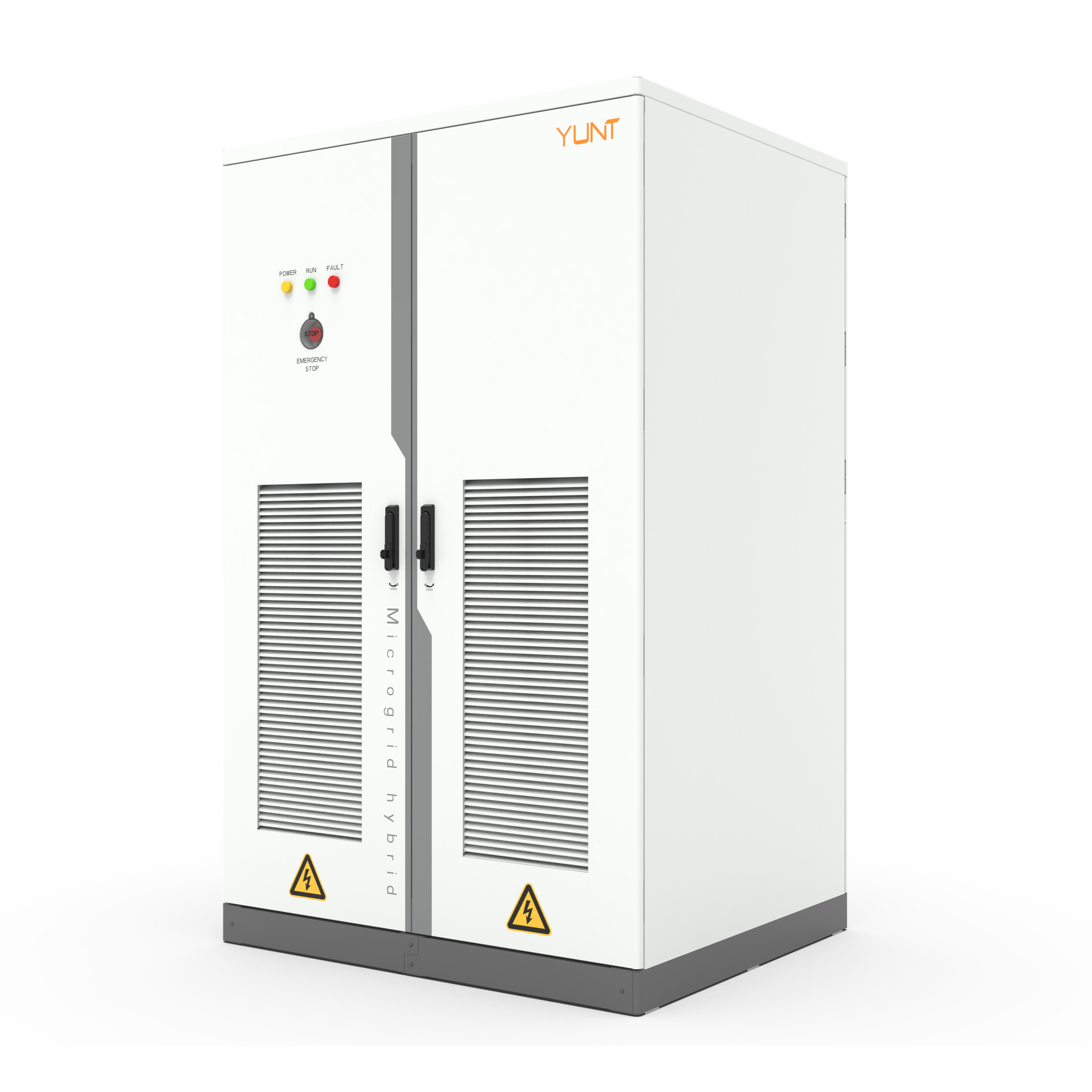
Use supplier questions for shortlisting to frame a clearer evaluation of Hybrid Inverter
Shortlisting a hybrid inverter is not only a matter of comparing product names. System integrators need to connect the proposed equipment with the intended operating context, site constraints, and procurement responsibilities. Start by defining what the system must do, then use focused supplier questions to separate page-listed information from assumptions.

Clarify the decision before comparing suppliers
Begin with a short project brief. State whether the design is intended for on-grid operation, off-grid operation, or a system that must accommodate both. The official product page describes YUNT Hybrid Inverters as supporting seamless on-grid and off-grid operation, along with DC-to-AC conversion and intelligent energy management for microgrid systems. Those statements establish a useful starting point, but they do not answer every project question.
Next, describe the application in practical terms. Note the site type, the available installation space, the expected operating modes, and the equipment that must interact with the inverter. Avoid treating a general product-page description as a complete design approval. Instead, turn each important requirement into a question for the supplier. For example, ask which product configuration applies to the proposed system and which interfaces must be defined during design.
- Define whether the proposed system is intended for on-grid operation, off-grid operation, or both, reflecting the product page’s stated operating scope.
- Record the stated functions separately from project requirements, including DC-to-AC conversion and intelligent energy management for microgrid systems.
- Ask how modular products, local adaptation, tailored solutions, implementation, and technical support apply to the proposed project.
- Include questions about production responsibility and supplier capability, since the page describes in-house R&D, manufacturing, sales, and support.
This approach prevents a common shortlisting error: selecting a supplier because its category description sounds suitable, without recording the conditions that make the option suitable. A clear brief also gives different suppliers the same basis for discussion. That makes responses easier to compare and reduces the risk of judging one response by assumptions that were never shared with another.
Build a concise comparison framework
Use a comparison sheet with four sections: operating context, stated product capability, supplier support, and open questions. In the operating-context section, record the intended grid relationship and the role of the inverter in the wider system. In the product-capability section, quote only information that applies to the page or product scope being reviewed. The wording matters. “The page describes on-grid and off-grid operation” is more precise than “the unit will work in every site condition.”
The support section should capture what the supplier says it can provide during the project. For a concrete supplier-screening anchor, the page describes the hybrid inverter company as a trusted hybrid inverter supplier with modular products, global certifications, local adaptation, tailored solutions, fast project implementation, and ongoing technical support. Use that statement as a discussion point, not as proof of performance or suitability beyond the stated scope. Ask which elements apply to the proposed project and who owns each step from design through deployment.
Finally, keep open questions visible. A supplier response may clarify a configuration, but it should not silently become a confirmed project fact until the responsible technical or procurement team records it. This is especially important when a page uses broad terms such as “modular,” “intelligent,” or “reliable.” Those terms can guide a conversation, but they should not be expanded into unlisted ratings, compatibility claims, or guaranteed outcomes.
Avoid unsupported conclusions
Evidence-led shortlisting does not mean ignoring useful product information. It means placing each statement in the right category. Page-listed evidence can describe the product positioning and the supplier’s stated capabilities. A project requirement describes what the system integrator needs. A supplier response may address how the offering fits that requirement. These three categories should remain distinct in the evaluation record.
Be careful with claims about delivery, cost, safety, certification, and performance. The page states that the supplier integrates research and development, manufacturing, sales, and support in its own factory, and presents this as in-house production without middlemen. It also states that the team has 16 years of experience in power electronics. These are supplier-provided descriptions. They can inform questions about production responsibility and technical support, but they do not establish a result for a particular project.
Use neutral questions to test the remaining gaps. Which product information applies to the proposed model? What project details must be supplied before a configuration can be discussed? Which services are included in the stated support scope? Which assumptions should appear in the purchase documentation? Questions like these help the team make a disciplined decision without filling evidence gaps with optimistic interpretations.
Carry the requirements into procurement
Before requesting a final proposal, turn the comparison sheet into a concise sourcing brief. Include the intended operating context, the relevant page-listed statements, the project requirements, and the unanswered questions. Ask suppliers to respond against the same headings. This makes it easier to identify where a response confirms a requirement, where it offers a different approach, and where further technical review is needed.
Keep the final shortlist explainable. A strong record should show why each candidate reached the next stage, which evidence supported that decision, and which points remain conditional. It should also preserve the boundary between a supplier’s stated scope and the integrator’s own design responsibility. That record will be more useful than a ranking based only on broad claims or a simple feature count.
In practice, the clearest evaluation of a hybrid inverter comes from disciplined questions: define the operating context, compare only relevant evidence, record assumptions, and carry unresolved points into procurement. The YUNT page provides a starting description of hybrid operation, energy management, modular supply, and project support; the integrator’s task is to connect those statements to the actual brief without claiming more than the evidence supports.