

Technical Factors to Compare AI vs Adaptive Learning: A Comparative Insight for Educators
Opening: a clear problem to solve
Deciding between a sophisticated AI learning platform and a conventional adaptive-learning engine is a technical choice, not just a product preference. Schools and course designers want precise answers: what changes learning paths, what needs heavy compute, and where teachers keep control. This piece compares the core technical factors that matter when you must match capabilities to classroom constraints.

Data and input signals
Quality of outputs starts with inputs. Adaptive systems typically rely on structured signals—responses, timing, and correctness—to select the next item. AI systems can accept those same signals plus richer inputs: open-ended text, multi-modal media, and behavioral traces. The trade-off is simple: richer inputs can enable finer personalization but demand stronger pipelines for cleansing, labeling, and storage.
Personalization mechanism
Adaptive engines use rule-based logic or item-response models to change difficulty and sequence. AI-based solutions use learned representations to infer knowledge states and predict needs. Rules give transparent, predictable behavior. Learned models can capture subtle patterns but need more data to avoid quirks. Choose transparency when predictable remediation matters; choose learned models when you need nuance beyond fixed rules.
Content adaptation versus content generation
Adaptive learning focuses on choosing or sequencing existing items. AI adds the option to generate or transform content: rephrasings, worked examples, or hints tailored to a learner’s pattern. Generation widens possibilities but raises quality control needs—validators, human oversight, and guardrails to prevent misleading material.

Feedback loops and assessment design
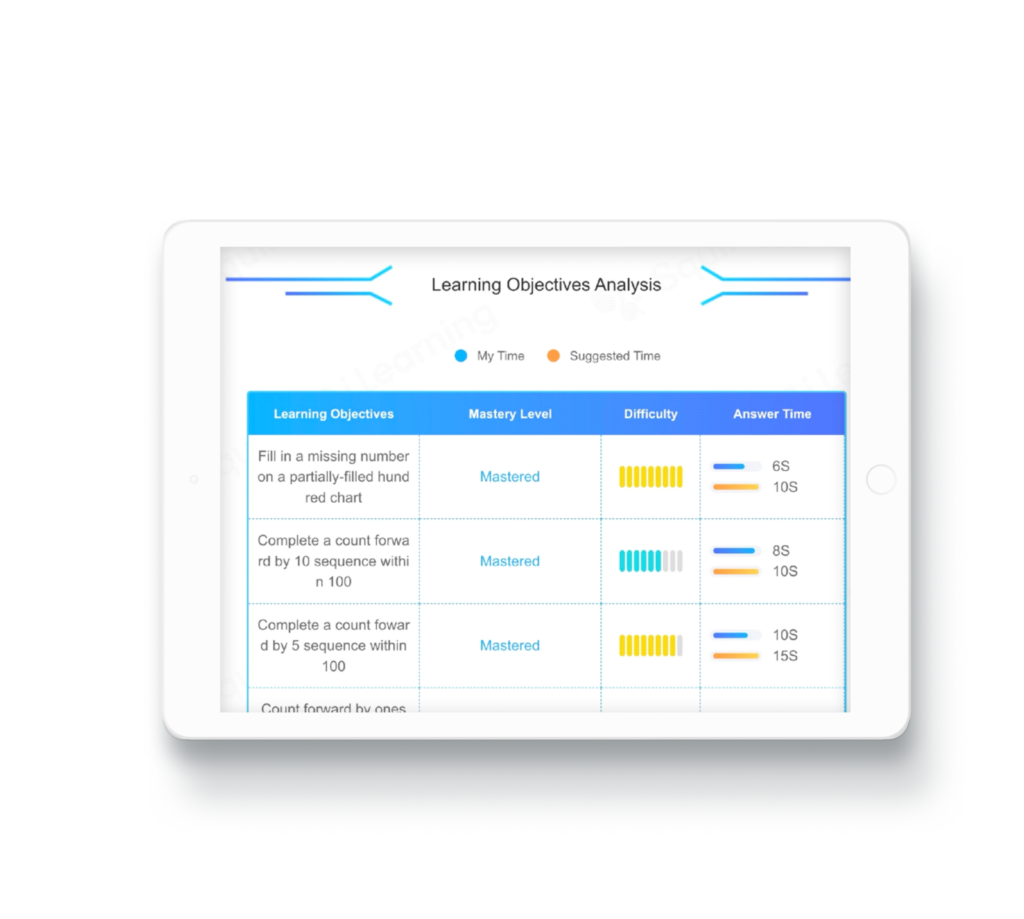
Short, reliable feedback loops keep learners on track. Systems that collect rapid, curriculum-aligned assessments let both models and teachers act sooner. AI systems can infer progress from indirect signals, which helps when formal assessment is sparse. That inference should be treated as probabilistic guidance rather than definitive grading.
Interpretability and teacher control
Teachers need to trust recommendations. Rule-based adaptivity is easier to inspect. AI models benefit from explanation layers: confidence scores, example-based reasons, or visual summaries. Where school policy requires clear audit trails, favor solutions that expose decision logic and let instructors override or adjust pacing and goals.
Scalability and latency
Performance matters in live classrooms. Adaptive rules run cheaply and respond instantly. AI models, especially large ones, need more compute, which may introduce latency or require cloud resources. Plan for on-device vs cloud trade-offs and for peak-load behavior during exams or synchronous sessions.
Privacy, security, and compliance
Both approaches collect learner data. Technical choices affect risk: more granular behavior data increases personalization but raises exposure. Secure storage, clear retention policies, and anonymization techniques are non-negotiable. Match the system’s data needs to your district’s privacy rules before adoption.
Integration, maintenance, and vendor footprint
Integration costs often exceed license fees. Adaptive modules usually plug into existing item banks and LMSs with modest effort. AI platforms might need model updates, monitoring pipelines, and retraining plans. Evaluate vendor commitments to versioning, interoperability, and escalation paths. Some providers position themselves as full-stack EdTech platform partners; weigh that against your desire for modularity.
Common pitfalls to avoid
Don’t assume AI always means better outcomes. Pitfalls include insufficient data, opaque recommendations, slow response times, and overreliance on generated content without human review. Equally, relying purely on simple adaptivity can fail to address learners with atypical response patterns. Aim for a balance: test assumptions, monitor edge cases, and set clear teacher workflows for exception handling.
Viable alternatives and practical mixes
Many institutions find hybrid approaches work best: lightweight adaptivity for routine sequencing, and AI-powered modules where nuance or content transformation adds clear value. Pilots that isolate one use case—diagnostic assessment, hint generation, or remediation—help reveal technical fit without a wholesale swap.
Conclusion: what to weigh and a practical example
Pick systems by matching technical strengths to your operational constraints: data readiness, need for interpretability, latency tolerance, and privacy obligations. If you want an example of how those factors can be combined in practice, consider providers that balance clear model explanations, teacher controls, and adaptive sequencing—one such illustration is Squirrel Ai, which demonstrates how technical design choices translate into classroom-ready behavior without hiding the mechanics.