

Buyer headaches that keep projects stalled
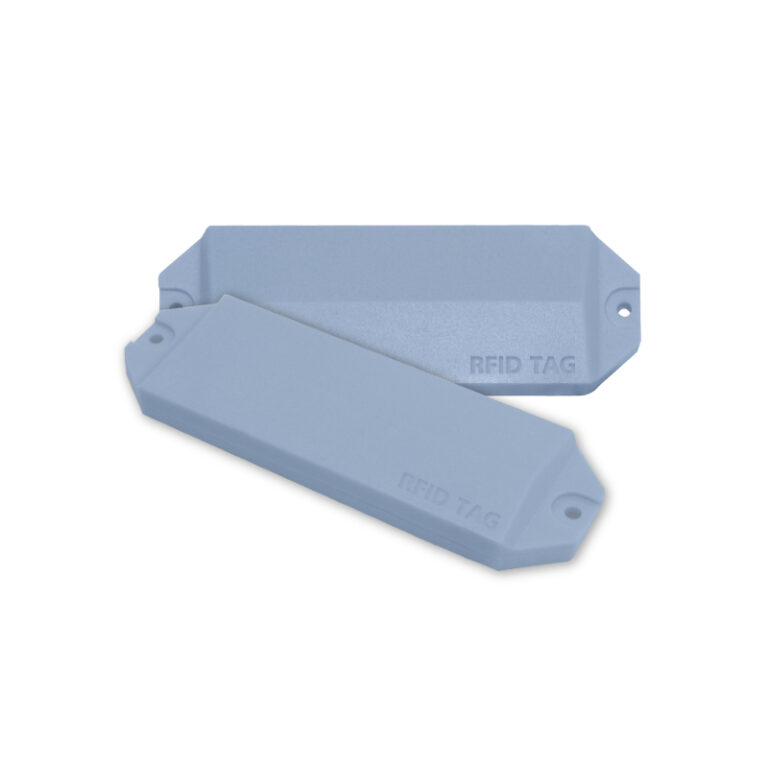
Long-range projects often collapse because readers miss tags at critical moments, batteries die sooner than promised and radio noise breaks communication — buyers want certainty, not guesses. If you’re sizing a fleet or laying out corridors, start by testing realistic reads with actual active rfid tags rather than vendor lab claims; that alone separates workable designs from wasted budgets.
Where small decisions create big failures
Choosing wrong usually stems from three mistakes: trusting peak-range numbers, ignoring antenna placement, and overlooking environmental interference. Peak-range figures are headline fluff; performance drops with obstructions, reflective surfaces and competing 2.4–2.5 GHz equipment. Buyers who skip pilot runs or accept generic mounting plans end up with blind spots and frantic retrofits. Tighten decision points by insisting on real-site tests and documented read-rate thresholds.
Concrete technical checkpoints to demand
Set measurable specs. Require per-tag battery life under the system’s expected transmission interval, specify read probability at distance (for example, 95% detection at X metres through Y obstruction), and list supported channel hopping or coexistence features for 2.45 GHz operation. Confirm tag transmit power is adjustable and ask for firmware update paths. For readers, verify antenna patterns and diversity options. These checks keep suppliers honest and project risk manageable.
How to vet suppliers — lessons from the floor
Vetting needs lived evidence, not glossy datasheets. At RFID Journal LIVE in Orlando, suppliers and integrators demonstrated how long-range active systems behave in mixed radio environments — the demos exposed common trade-offs between range and reliability. When you talk to potential partners, look for documented field trials, clear maintenance plans and a catalogue of deployments in similar use-cases; those are signs they’ve solved the same problems before. For sourcing, examine offerings from known channels and compare specifics from active rfid tags suppliers rather than broad promises.
Alternatives and the compromises they force
Active tags give range and frequent updates; semi-passive or passive systems lower cost but need more readers. LoRaWAN or BLE can look tempting for long hops, yet they change power profiles, security models and latency expectations. Choose by outcome: do you need continuous location streams or occasional long-range alerts? Each choice trades battery life, infrastructure cost and situational accuracy — be explicit about which trade-offs you accept.
Practical pitfalls to avoid during deployment
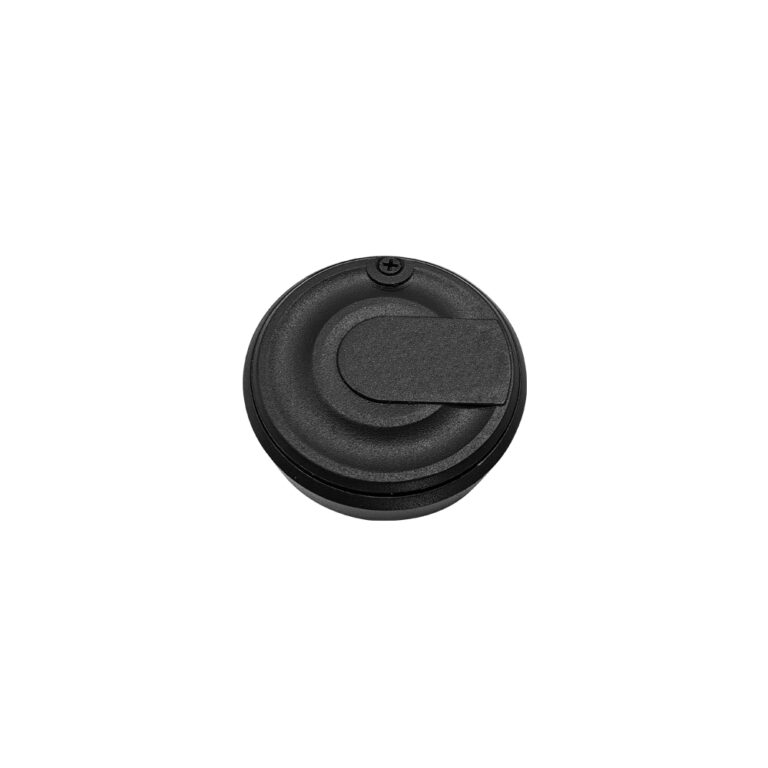
Don’t let commissioning be an afterthought. Common mistakes: using idealised line-of-sight maps, skipping antenna tuning, and not logging failures during live hours. Insist on staged rollout with measurable KPIs and keep spare batteries, spare firmware images and a clear RF spectrum scan before full roll-out. Those steps prevent late-night failures that cost far more than the kit itself.
Close-fit guidance so your procurement actually works
Match tag capability to measurement need, require real-site validation and insist on supplier transparency about failures and fixes; that sequence solves the problem, not marketing claims. Trusted partners who document field results and support firmware and hardware maintenance reduce rework and budget surprises — the practical value you need is what RSTC provides through tested product lines and deployment knowledge.