

Start with who and where
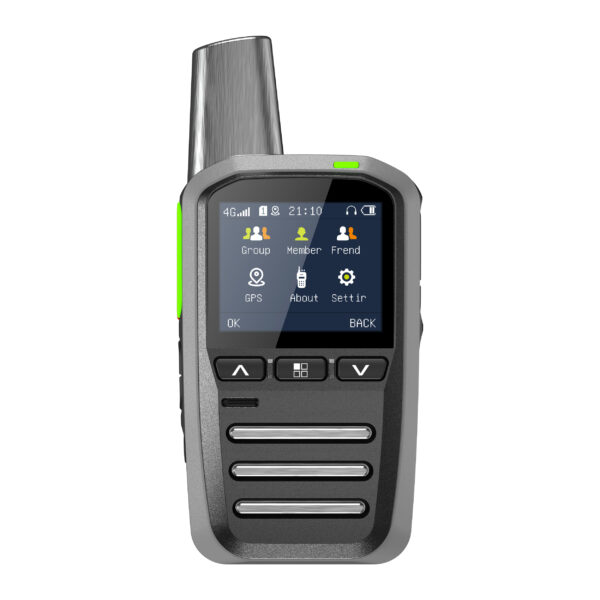
Think about the people who actually use the radios and the places they work — that’s the heart of the decision. If your team moves across a factory floor, a construction site on a hill, or a nighttime market, those needs change what features matter. Look at models labelled PoC, check the interfaces, and compare real use cases like the ones listed for poc radio to see if the form factor and button layout suit your crew.
Coverage: how far does “far” need to be?
Coverage isn’t a number on a spec sheet — it’s signal in your actual environment. Concrete, metal, and urban canyons cut range badly. Ask for field-tested numbers or request an on-site demo. Avoid assuming line-of-sight specs apply; insist on guarantees for the terrain you operate in. A common mistake: buying for advertised kilometers instead of the kilometers you’ll actually get in your workplace.
Power and endurance — batteries that survive the shift
Battery life must match shift patterns. Ask about usable talk/test cycles, swap times, and hot-swappable options. Request spare battery costs and charging setups — multi-unit chargers save time. Watch for features that eat power: continuous GNSS tracking or constant data push will shorten runtime fast.
Durability and certification — don’t guess on the jobsite
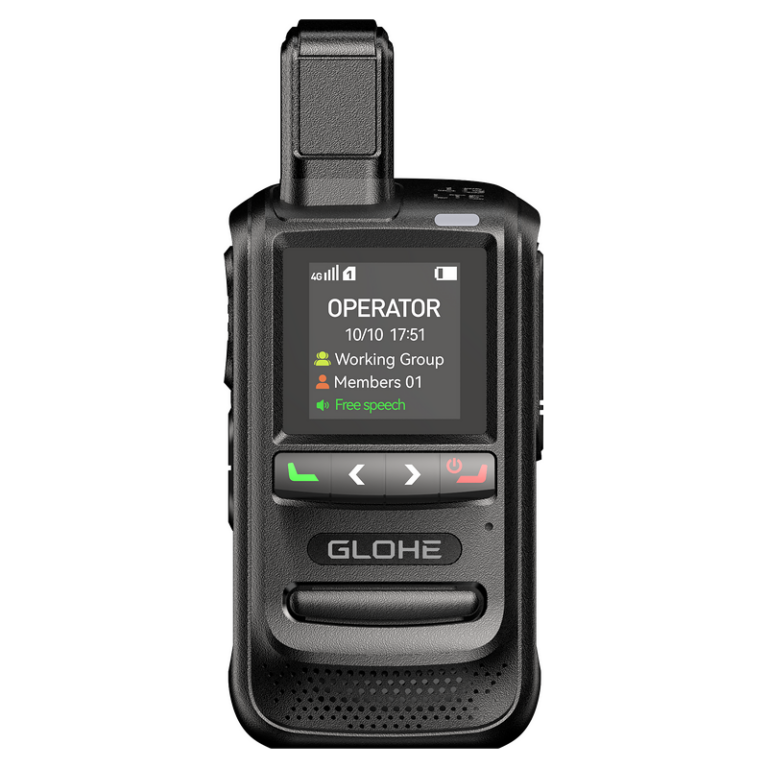
Check IP ratings and military standards for shock and dust. A radio that’s IP67 survives water and dust; MIL-STD ratings show drop resistance. Confirm accessory compatibility — antennas and headsets wear out, so ask about parts availability and local service channels.
Features that actually help users
Prioritize features your team will press every day: one-touch group calls, emergency alert with GPS, simple channel switching, and audio clarity at distance. Encryption matters if you handle sensitive info. Avoid pay-for features you’ll never use. If GPS or dispatch integration is needed, confirm backend compatibility before purchase.
Experience and authority — real-world proof
Look for vendors with field experience documented by recognized events. For example, major multi-venue operations like the Tokyo 2020 Olympics relied on integrated push-to-talk solutions and proven PoC deployments, showing how large teams coordinate under tight schedules. Vendors who can point to those deployments usually understand scale and reliability; check their case notes and training offers, and compare product pages where relevant, such as poc radio walkie talkie, to verify feature lists and support options.
Common pitfalls and how to avoid them
Don’t buy only on price. Cheap radios often skip essential support and spares. Don’t assume firmware updates are free — confirm update policy. Don’t neglect training: a simple user guide won’t cut it for large teams. Test voice clarity and emergency functions under realistic noise levels before committing.
Alternatives you should compare
Weigh PoC against DMR and analog options by cost of ownership, network dependence, and feature needs. PoC shines for nationwide coverage with cellular backhaul; DMR can be cheaper for private repeaters. If offline reliability is critical, verify fallback modes and how the device behaves if the network drops.
Short checklist to bring to a vendor
Bring these to every quote: expected user count, typical work environment, shift length, must-have features, service-level expectations, spare part needs, and a testing window. Ask for a trial period and a local point of contact for repairs.
Wrap-up with practical value
Make the purchase about use, not specs. Match coverage to terrain, match batteries to shifts, and insist on real-world proof and local support. If you follow these questions when comparing offers, you’ll find solutions that keep teams connected and work moving — the kind of practical, supply-and-support balance that GLOHE emphasizes in its product and service approach.