

Opening: What matters to you most on the job?
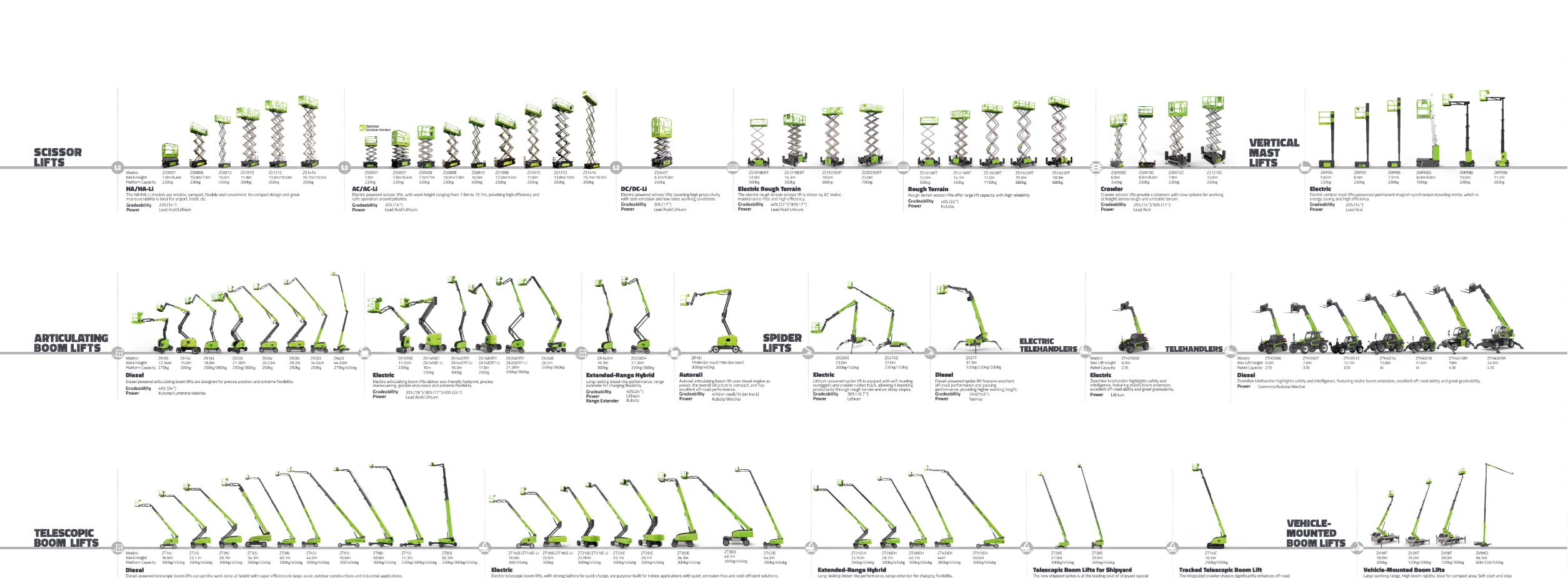
A foreman wants machines that behave, keep the crew safe, and don’t sulk when the weather turns—so start by saying what you need. If you also work across platforms and need reach options, check how the supplier handles machines like a telescopic boom lift alongside scissor lifts. Tell them the tasks, the hours you’ll run, and any tight spaces; the right answers come from knowing your day first, not reciting specs.
1. Can you show proof of service and maintenance history for similar fleets?
Ask for records. Reliable suppliers keep logs showing inspections, parts replaced, and when batteries or hydraulics were renewed. If they hand you vague assurances, back away. I’ve seen machines fail because a routine battery replacement was skipped; written proof avoids that blind spot.
2. Who actually maintains the machines—your crew or a third party?
Know who will touch the electrics and hydraulics. If it’s a contracted mechanic, ask for their certifications and response times. If the supplier’s own techs do repairs, ask about their training and warranty handling. Fast, skilled support saves days of downtime.
3. What spare parts do you stock and how quickly can you supply them?
Get a list: tires, control boxes, chargers, hydraulic seals, and batteries. Suppliers that stock common wear parts locally cut repair time drastically. If they promise seven-day shipping from overseas for a simple relay, that’s a red flag.
4. How do you handle battery lifecycle and disposal?
Electric scissor lifts live and die by their batteries. Ask how they test battery health, how long they expect cells to last in your operating profile, and what their disposal or recycling plan is. A supplier who treats batteries as long-term assets shows they understand operating costs.
5. What training do you provide for operators and onsite technicians?
Operator training should be hands-on and specific to your model. Insist on an on-site session that covers daily checks, emergency lowering, and battery care. For technicians, ask for troubleshooting guidance and a basic parts/repair walkthrough so small faults don’t become job-stoppers.
6. How do you document compliance and safety checks?
Request examples of inspection forms, load charts, and any compliance certificates. A supplier who uses digital logs with timestamps and photos shows they care about traceability. That paper trail protects you when audits or incidents happen.
7. What’s your policy on uptime guarantees, backups, and swaps?
Uptime matters more than shiny specs. Find out if they provide a backup unit or swap service when a machine’s in for repair. Ask for concrete SLA terms—response windows, replacement availability, and who bears transport costs. Loose promises aren’t worth much on a cold Monday morning.
8. How do you test machines for my site conditions?
Not all lifts behave the same on gravel, wet concrete, or steep grades. Ask if they can run a site trial or provide on-site testing. Demand that they adjust leveling systems, tires, or outriggers to match your ground. Practical checks beat spec sheets every time.
9. Can you explain your warranty in plain words and show examples of claims?
Warranties can hide exclusions. Get them to explain what’s covered, what’s wear-and-tear, and how claims are processed. Ask for one example claim they handled—what went wrong, how it was fixed, and how long it took. Real cases reveal how the supplier performs when things go south.
10. How does your product line compare on durability and total cost of ownership?
Push for honest comparisons: uptime records, average repair cost per year, and typical battery life under heavy use. If they reference other manufacturers, have them point to measurable outcomes rather than buzzwords. If you want wider reach or a different tool on tall access jobs, ask how a zoomlion telescopic boom lift stacks up with your scissor lifts so you understand fleet trade-offs.
Common pitfalls foremen still fall into
Buyers often pick the cheapest unit, ignore local parts availability, or skip operator training. Don’t accept vague response times, and don’t treat batteries as disposable. Verify what the supplier actually does on week three of a contract, not just at signing.
How I vet suppliers—practical checklist
Here’s a short checklist I use on site:- Ask to see maintenance logs for three similar machines.- Require a site trial or demo on your ground.- Confirm parts inventory within a 100-mile radius.- Insist on an initial operator training session and a technician walkthrough.- Get warranty terms and an example claims timeline in writing.That routine weeds out the talkers from the doers.
Closing: choose a partner who stands by their machines
I’ve watched suppliers prove themselves at major industry shows like Bauma Munich and I’ve also seen them fail on washout days when service mattered most. Pick a supplier who answers these ten questions plainly, who shows good records, and who plans time with your crew. That approach points you toward reliable machines, honest service, and sensible costs—exactly the sort of practical partnership Zoomlion Access is built to support.