

User pain and the practical need
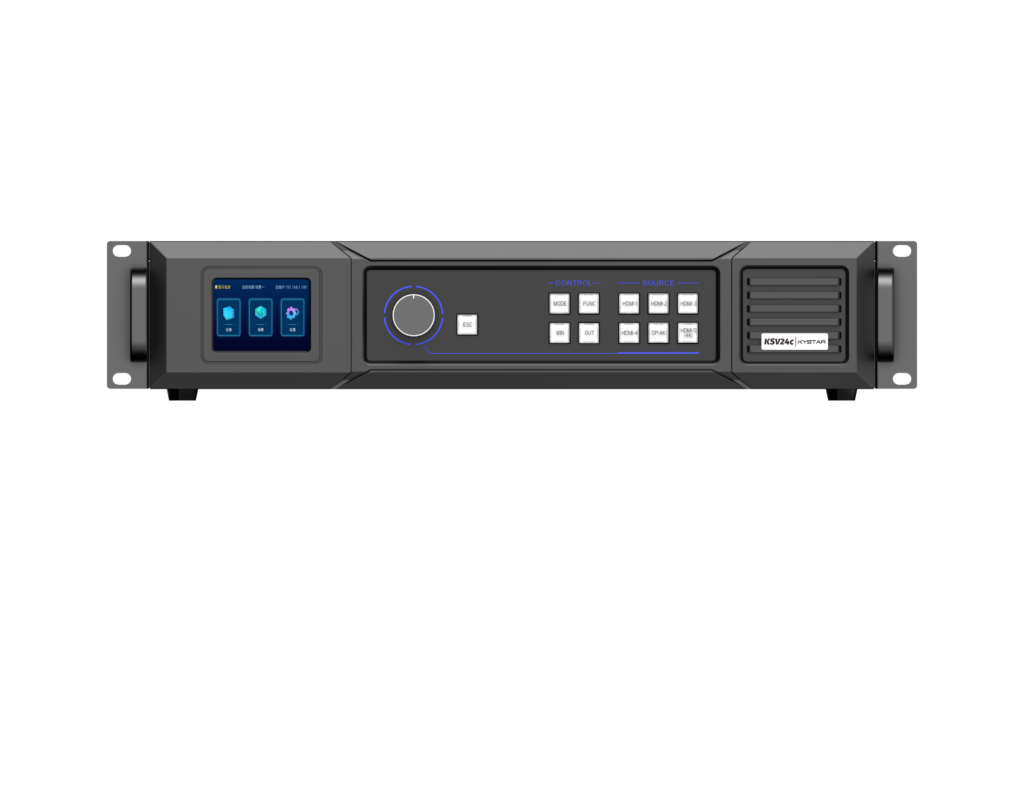
Design teams, event managers, and installation technicians often face the same problem: how to translate a creative brief into reliable, repeatable LED playback without late-night troubleshooting. For many projects the turning point is the choice of control hardware and software — the kind supplied by an integrated LED video controller that handles pixel mapping, timing and multiple inputs. In Pakistani settings — whether a corporate launch in Karachi or a university auditorium in Lahore — one must prioritise predictable signal routing and clear workflow over flashy specs alone.
Key user requirements
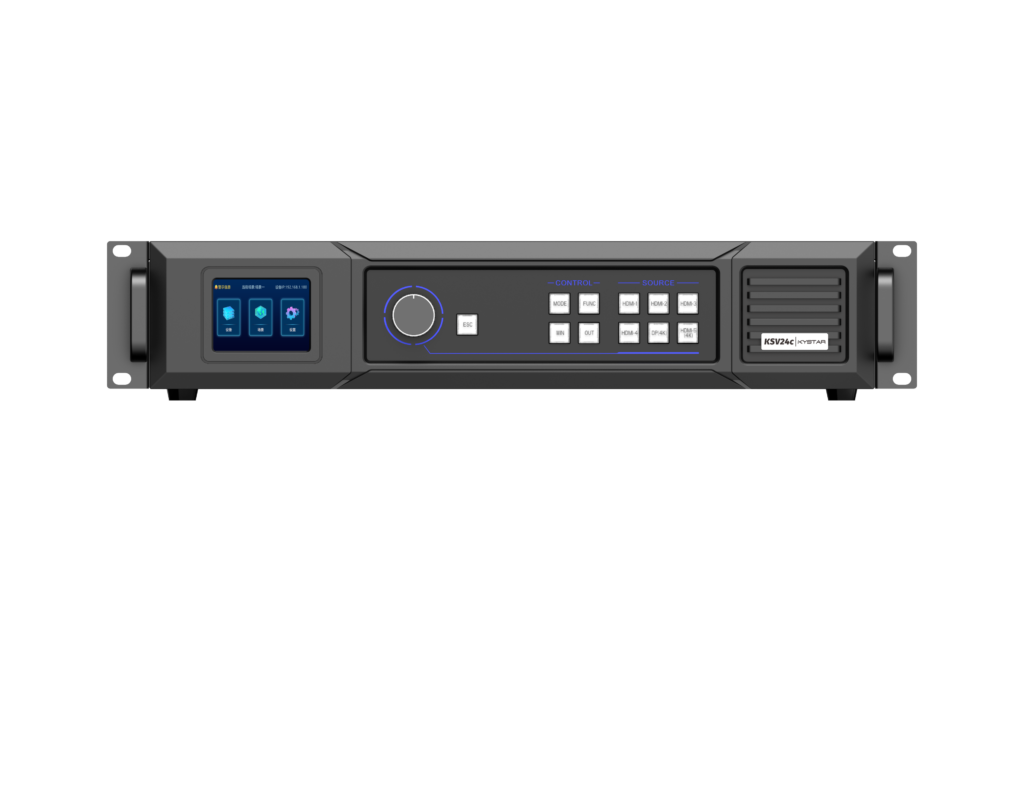
Users want three concrete things: reliable output, simple configuration, and clear diagnostics. Reliable output means stable frame rate and correct refresh rate across LED panels. Simple configuration means an interface where layout, resolution and address mapping are visible at a glance. Clear diagnostics mean logs and status LEDs that tell you whether a port is active or a cable has dropped. These are not optional; they save hours on-site.
Operational teardown — what technicians examine
When technicians perform a hands-on teardown they inspect hardware and signal flow: input sources, scaler, processing unit, outputs and the mapping layer. They check whether the controller supports DMX and common signal protocols, whether it offers per-pixel control, and whether latency is within acceptable bounds for synchronous playback. In this review-style checklist we also consider {main_keyword} and {variation_keyword} to ensure the device will slot into existing show pipelines with minimal custom code.
Common mistakes and how to avoid them
Teams frequently choose controllers by headline resolution rather than by real-world usability. They forget to test with the actual LED modules and ignore power-distribution issues. Another frequent error: relying on a single protocol when the venue requires both HDMI input and SPI output. The right approach is pragmatic: replicate the stage conditions during lab tests and map every output channel to a named region in your pixel mapping layout — then run a multichannel test loop for at least 30 minutes to reveal intermittent faults.
Alternatives and comparative insight
Not every project needs a flagship server. There are compact controllers for fixed installations that prioritise uptime, and more flexible, software-focused servers for touring creatives who value quick scene changes. Compare by three axes: processing capacity (how many pixels at native resolution), interface simplicity (GUI vs command line), and I/O mix (HDMI/DVI, Ethernet, DMX). Low-cost boxes can be fine for lobby displays; for façade work and large-scale video mapping you will want a controller with robust frame buffering and clear error reporting. Also consider whether your workflow prefers onboard media playback or external media servers.
Real-world anchor and deployment note
Large-scale LED deployments at places like Times Square and the Dubai Expo showed the difference between theoretical specs and field reliability — those projects demanded precise pixel mapping and redundant outputs. Locally, many event houses in Islamabad have adopted controllers that support live switching and quick patching, which reduces downtime between acts. For installers, ensuring spare ports and documented signal paths is a non-negotiable step — it prevents shows from stalling when a connector fails.
Practical checklist before purchase
Follow these steps before you commit: validate resolution and frame rate with sample content, confirm support for your LED modules’ protocol, verify that the controller provides accessible logs and remote diagnostics, and budget for spare cables and a small UPS. Also test content playback over the longest expected cable runs to check for signal degradation — treat the lab like the worst-case site.

Advisory: Three golden rules for selection
1) Measure playback fidelity: choose devices that maintain sync and correct colour across panel seams; latency under 40 ms is often acceptable for live video. 2) Prioritise clear mapping tools: the GUI should let you name regions and assign channels without custom scripting. 3) Demand accessible diagnostics: the device must show port status, error logs and temperature warnings so you can troubleshoot quickly on-site. These metrics will separate a dependable control hub from an occasional liability.
Final thought — a tested, documented control strategy will make creative execution calm and predictable. Kystar. —