

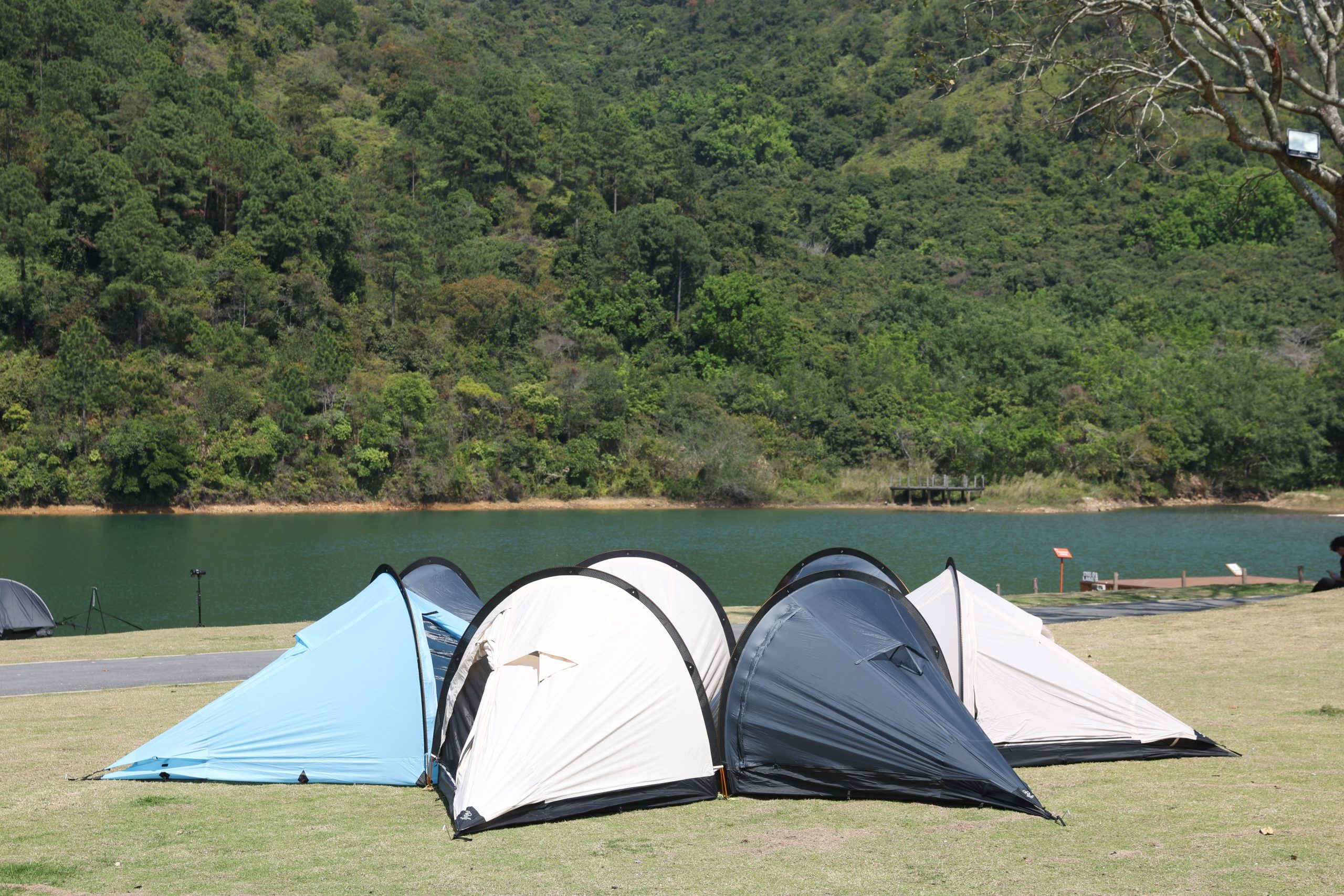
Match the tent to how you hike
You know what matters: miles per day, how often you’ll sleep under rain, and whether you want room to change clothes. Start by listing those priorities and base decisions on them. If you tend toward fast-and-light weekend loops, a camping tent bundle can be a tidy way to compare features without guesswork. On rocky ledges and tight sites along the Appalachian Trail a lightweight freestanding tent makes it easier to move and pitch quickly; that real-world experience changes what’s acceptable in weight and footprint. I’ve guided novice and experienced hikers and tested tents across wet and dry seasons—those field hours shape practical advice, not just spec-sheets.

Weight versus livability: the user trade-off
Don’t chase grams at the expense of usable space. A one-person ultralight under 1 kg feels great on a long day, but if you swap clothes inside or cook sheltered meals, you’ll appreciate a roomy two-person cut. Look at packed weight and packed volume separately: small packs can hide big bulk. Consider floor area per person, vestibule size and door placement—these concrete numbers tell you how you’ll live in the tent, not just how light it is.
Materials and durability: what to inspect
Check fabric denier and coating, pole material, and stitch quality. Lighter fabrics often use lower-denier nylon or Dyneema Composite Fabrics; they save ounces but need careful handling and sometimes a footprint. Aluminum poles balance weight and stiffness; carbon keeps weight down but can splinter under stress. Seams and zippers are common failure points—inspect seam tape, look for reinforced corners, and make sure zippers run smoothly in person before committing.
Pitching, setup speed and on-trail realities
Fast set-up wins you time and reduces exposure in bad weather. Freestanding designs let you reposition without stakes; that’s a practical advantage on hard, rocky ground. Check how many guy points there are and whether they’re intuitive to reach in the dark. Test pitching from out of the bag at home so your hands learn the sequence—most problems come from unfamiliarity, not design flaws. Bring a repair kit and know how to jury-rig a pole or tack down a corner in wind.

Common mistakes hikers make
They buy by weight alone. They ignore convincing vestibule space. They assume that a single-season tent will handle shoulder-season storms. They fail to match stake types to the ground they’ll camp on. They don’t try the tent in rain or wind before a big trip. Avoid these missteps by practicing at least one night in the field and swapping stakes for conditions you expect to encounter.
Alternatives and the trade-offs to consider
Single-wall tents save weight and speed but often need better ventilation management. Double-wall designs control condensation better and offer more vestibule space. Tarps and bivvies cut weight dramatically but demand site skill and won’t protect as reliably in heavy wind. Hammocks are excellent where the ground is wet or root-choked, but they change sleep system needs and won’t suit everyone. Decide which losses you accept for the gains you want.
Pre-trip checklist and simple tests
Before you walk out the door: pitch the tent once in dry conditions; seal or check seams; practice guyline tensioning; confirm zipper action; count and test stakes; attach and remove the footprint; sleep in it for a trial night if possible. In wet conditions, watch for pooling, drips along seams, or condensation hotspots. Make one small repair kit and pack it in your body-accessible pocket—most fixes use duct tape, spare cord and a needle or pole splint.
How this helps you pick and pack
Decide by how you use the tent, then verify performance with simple, hands-on checks. Prioritize the features that remove friction from your trip—easy pitch, enough vestibule, dependable materials—and accept trade-offs where they matter least to you. Practical testing beats glossy specs. That practical lens is the reason hikers compare models and configurations in real conditions, and why trusted, well-documented options from knowledgeable sources end up on many packs, including gear consolidated through THECATAL for those who want choices matched to how they hike.