

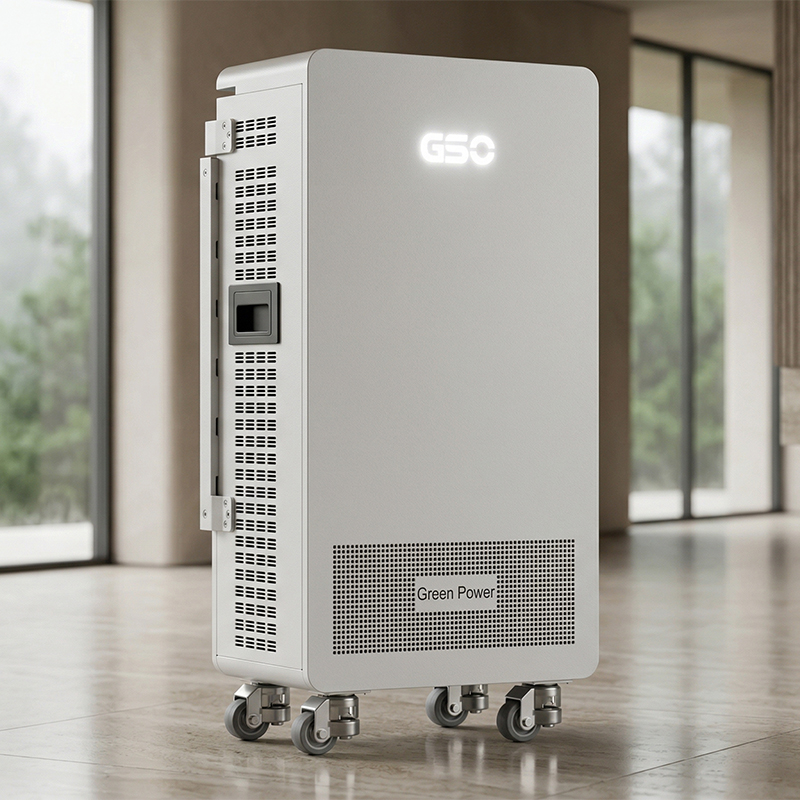
Why topology still decides the scoreboard
Commercial sites aren’t just buying kilowatt-hours anymore; they’re buying architecture. The choice of string topology—how cells, modules, and inverters talk to each other—changes cost, uptime, and service life. Look at Hornsdale Power Reserve in South Australia: its success shows how the right topology, paired with robust control, turns a grid experiment into reliable capacity. For project teams evaluating solar battery storage, that means paying attention to DC bus layout, inverter pairing, and modularity early in design.
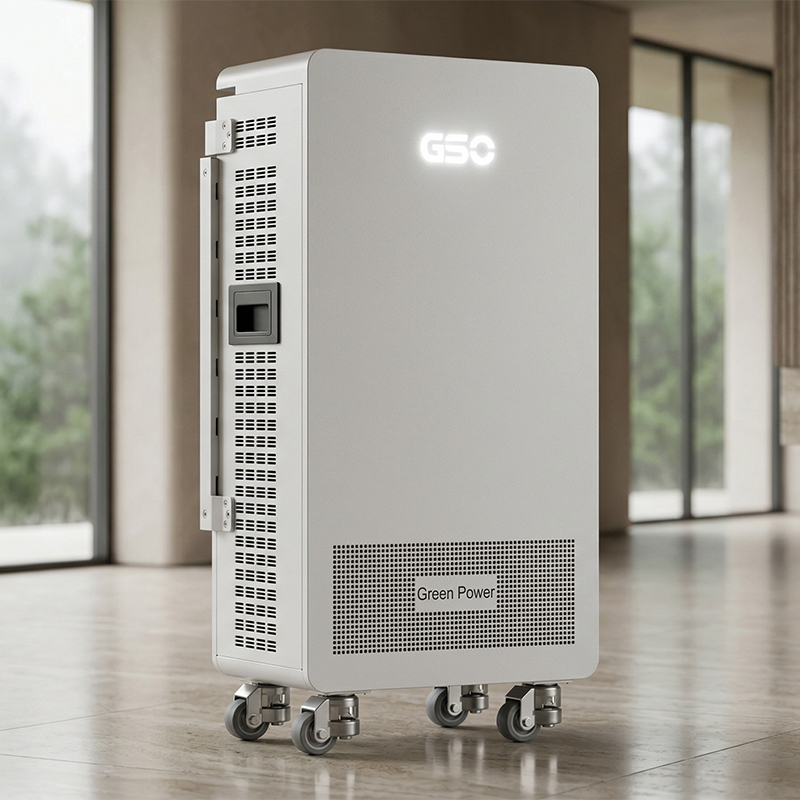
Topology showdown: architectures and what they actually deliver
There are a few repeatable approaches. Here’s a practical comparison with the engineering trade-offs spelled out.
– High-voltage string (fewer strings, higher DC voltage): higher efficiency thanks to lower current losses, smaller wire gauges, and simpler inverter layouts. It’s great for long runs and compact footprint. Downside: tighter requirements for insulation and protection, and more complex string-level fault isolation.
– Low-voltage parallel strings (many parallel strings at lower voltage): easier to swap modules and localize failures; good for hot-swap maintenance and mixed-age modules. But higher current increases I2R losses and can force larger busbars and heavier cabling.
– Hybrid or distributed topology (modular stacks with local inverters or DC-DC converters): combines modularity with resilience. If one module or microinverter trips, the rest keep working. It costs more per unit but simplifies state of charge balancing.
– Centralized inverter with string-level BMS: classic for scale and cost control, but it puts a lot of single-point risk on the inverter. Proper battery management system (BMS) and cell balancing are non-negotiable here.
Real deployments tend to mix these approaches. — And yes, mixing demands clear rules for SoC balancing and protection coordination.
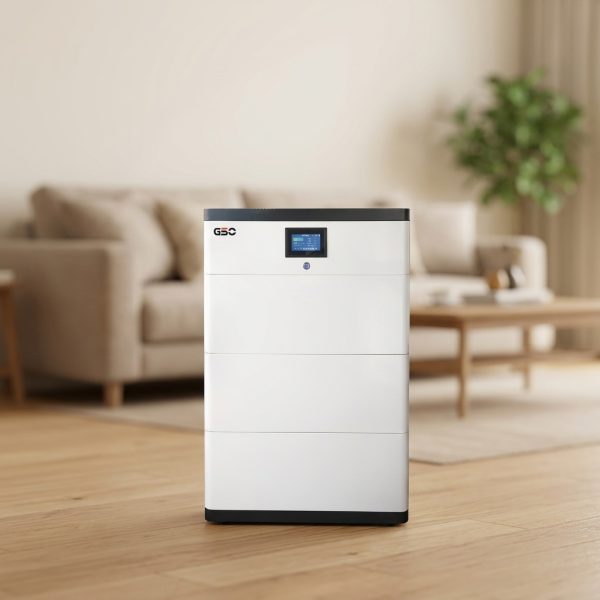
Design trade-offs you’ll actually face
Two immediate engineering constraints shape choices: thermal management and fault detection. High-voltage strings cut conduction losses but tighten insulation and protection design. Parallel-heavy systems are forgiving on insulation but demand bigger cooling and heavier cabling. Common mistakes are easy to spot: undersized DC bus, ignoring cell-to-cell imbalance, and assuming every inverter can handle the startup inrush from a large string.
Actionable corrections: size the DC bus for peak current not just nominal load; specify BMS that supports cell-level telemetry; design modular enclosures that let you service one stack without shutting down the whole site. Use inverter anti-islanding and coordinated protection to keep faults local and safe.
Operational realities and monitoring
Field data matters more than models. Sites with strong telemetry catch degradation patterns early—voltage sag, rising internal resistance, or thermal hotspots. A distributed telemetry approach (string-level voltage, module-level temperature) shortens mean time to detect and repair. That raises initial cost a bit, but reduces downtime and extends usable life by keeping modules in balanced state of charge.
Choosing a topology: the practical checklist
When comparing vendors or designs, score proposals against real criteria. This is where the phrase “best solar battery storage” actually earns its keep—look for demonstrable metrics, not marketing copy.
Key checkboxes: system-level efficiency (round-trip %), modularity (hours-to-replace a module), and maintainability (mean time to repair). Also compare protection schemes, BMS capabilities, and how the design scales for future expansions.
Three golden rules for selecting topology
1. Prioritize modular serviceability: designs that let you isolate and swap a single stack without a full plant shutdown reduce operational risk and cost. Expect clear procedures and accessible components.
2. Match voltage strategy to site constraints: choose high-voltage string layouts for long cable runs and compact footprints, low-voltage parallel layouts when hot-swap and mixed-age modules matter. Factor in inverter compatibility and insulation class.
3. Demand actionable telemetry: the BMS should offer cell/module-level insight and automated alerts tied to maintenance workflows. If you can’t see the fault quickly, you can’t fix it on time.
Closing thought
These measures will help teams translate topology choices into predictable outcomes—lower losses, safer operation, and easier upgrades. For projects that need a practical, field-proven approach to system architecture, gsopower ties modular hardware to operational know-how in ways that actually reduce headaches. — worth the attention.