

Introduction
Have you ever wondered why a fast line still gives you bad rolls at the end? I ask because I visited three small factories last month, and each had the same problem: speed without steady output. The wet wipes making machine looked new, but output quality dropped during busy shifts (and yes — supervisors sighed). Industry data I checked shows many producers see 15–30% yield loss due to web break and seal faults. So what do we really value: headline speed or steady, repeatable production?
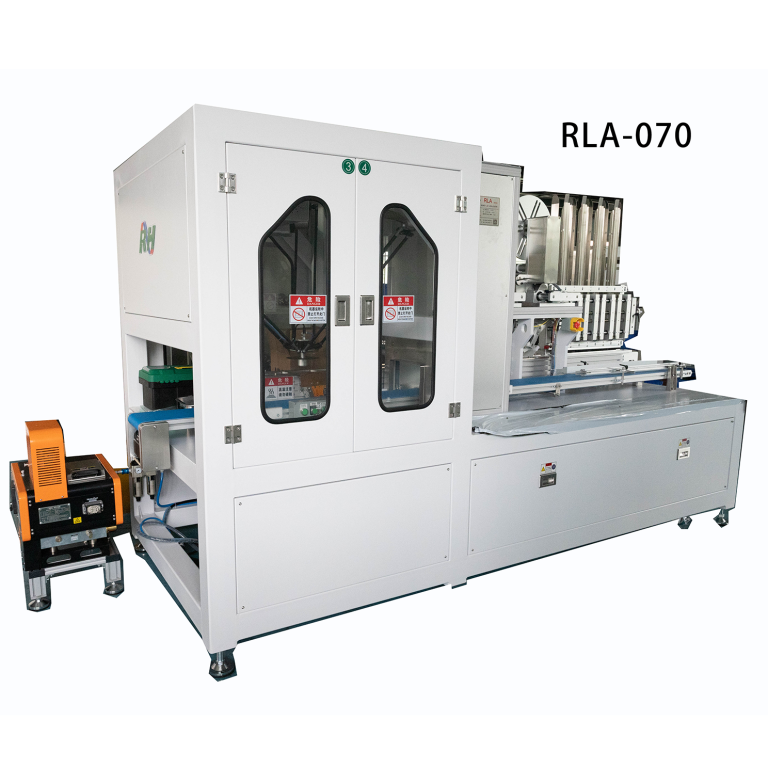
I write this from hands-on visits and measurements, not just brochure reading. I prefer simple checks — run length uniformity, tensile strength of the sheet, and downtime logs — and you will notice fast. My style is straight: tell the problem, show the numbers, then ask the question again. Why buy hype when you need reliability? Let’s move into the deeper troubles that hide behind glossy specs, and I will point how to spot them early.
Deeper Problems: Why Traditional Lines Fail
What fails first?
When I examine wet wipes machines for sale, the same weak points appear. First, web handling is poor — wrong roller tension and weak edge guides cause wrinkles and web breaks. Second, control systems are often basic PLC setups with old I/O that cannot react fast enough to sheet drift. Third, sealing systems (heat sealer or ultrasonic) are mismatched to material thickness, so seals look fine but leak in packing. I mention servo motors, air knife, and heat sealers here because they directly affect stability — you must check them. Look, it’s simpler than you think: a good tension loop and a responsive servo system cut many problems.
In practice I see two main user pains. One, operators chase settings; shift to shift the line behaves differently. Two, maintenance time explodes—spare parts absent, wrong belts, or—funny how that works, right?—power converters that fail under load. These are not exotic faults. They are predictable when you know the parts list and control logic. I recommend a checklist: confirm servo tuning, inspect the air knife alignment, and test PLC reaction to web speed change. That finds problems you can fix before they cost a full shift.
Looking Forward: Upgrades, Trade-offs, and What to Choose
What’s Next?
I look ahead and I am optimistic. New systems blend simple hardware upgrades with smarter control. If you search for wet wipes machines for sale today, prioritize lines that use closed-loop tension control, modular heat seal modules, and accessible HMI screens. These principles reduce variation: closed-loop keeps tension steady; modular sealers let you swap an ultrasonic head for thicker nonwovens without long downtime. I have seen a small plant cut rejects by half just by adding better tension feedback and replacing old edge guides.
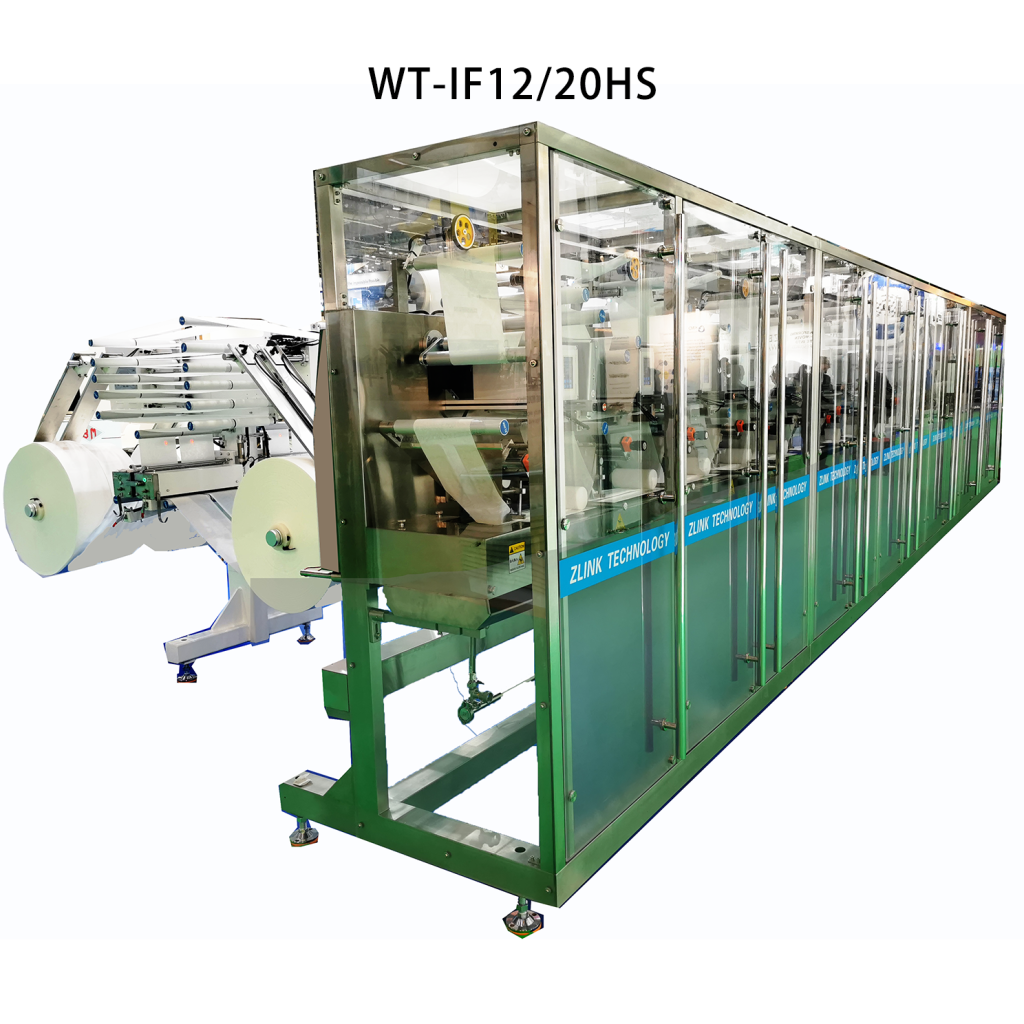
Now, three quick metrics I use when advising clients — practical, measurable, and no-nonsense. First, mean time between web breaks (hours) — the higher, the better. Second, first-pass yield percentage — how much comes out perfect without rework. Third, downtime per 1000 m produced — this tells true cost. Use these numbers to compare proposals, not only price. I like to remind people: machines sell on specs, factories win on metrics. When you decide, consider supplier aftercare and spare parts availability — they matter as much as the machine. For trusted options and support, I often point people toward proven manufacturers like ZLINK.