

Introduction — a question to start us off
Have you ever stood at the shop door and wondered why some jobs fly through and others dawdle for hours? I see that scene a lot: a workpiece sat half-finished, the clock ticking, a supervisor frowning. The CNC turning and milling machine sits at the heart of that problem — and the numbers tell a blunt story: small shops report cycle-time swings of 20–40% between best and worst setups. (No wonder heads roll.)
So what separates a smooth day from a day full of stoppages and scrap? I want to walk you through how the tools, the setup, and a few practical choices make the difference. I’ll be blunt and practical — we’ll look at common snags, proper setup habits, and what to expect from modern systems. Onward to the deeper faults that hide behind neat CAM files — and then to the fixes.
Part 2 — Where the old fixes fail (technical look)
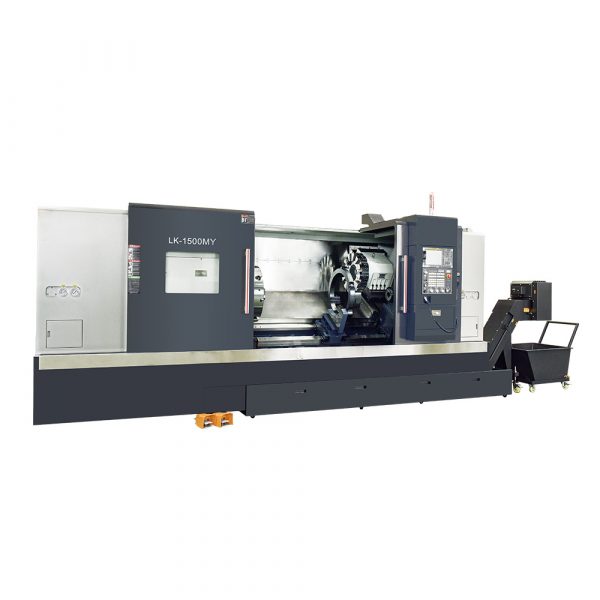
cnc turning and milling centre — that phrase should make any machinist sit up. Too often, though, the centre itself is misused because teams rely on band-aid workarounds. I’ve seen shops patch programs, ignore backlash, and trust default feed rate values from the CAM post-processor. The result? Poor surface finish, chatter, and wasted cycle time.
Let’s get technical for a moment: toolpath quality, spindle speed selection, and feed rate harmonics are not optional details. They shape vibration modes and tool life. When a programmer leaves too coarse a finish pass, the operator tries to compensate with higher spindle speed — which just kicks off resonance. We blame the machine, but the fault is process. Look, it’s simpler than you think — set your spindle and feeds to match cutter engagement and the toolholder rigidity. Also, don’t forget cutter runout and the importance of a rigid setup; a flimsy fixture will erase the gains from any new controller. — funny how that works, right?
Is the process or the machine to blame?
I often ask that question in shop-floor reviews. Usually, it’s both. But when I dig into the logs, I find most errors come from assumptions: a one-size CAM strategy, neglected tool offsets, or skipped maintenance on servo drives and the tool changer. Fixing those is cheaper and faster than buying another lathe.
Part 3 — New principles and where to focus next
Now let’s move forward. I want to explain a few new technology principles that actually matter for day-to-day work. First: adaptive toolpath strategies. Modern CAM systems can vary stepover and engagement to keep force constant; that reduces chatter and extends cutter life. Second: active monitoring — basic edge computing nodes and spindle sensors can give you early warning of wear. Third: integrated control logic that coordinates live tooling and turret indexing to trim non-cutting time. These principles work across both cnc milling and cnc turning — and they do so without mystical tweaks, just better matching of tool, holder, and path.
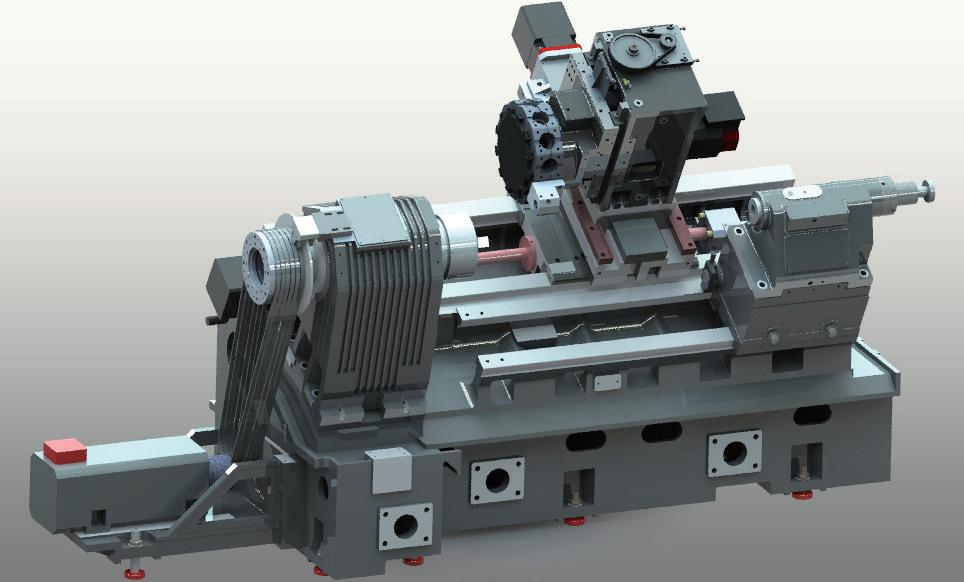
In practice, adopting these principles means changing habits. I recommend staged trials: try adaptive finishing on a common part, log cycle time and tool wear, compare results. You’ll see measurable shifts quickly. Also, consider small investments: a better collet, a sterilised (clean) coolant line, upgraded servo tuning — tiny items but they multiply. — I’m telling you from hands-on days at the bench: small changes stack into big gains.
What’s Next?
Here are three practical metrics I use when evaluating new setups or machines. First, cycle-time variance: measure the spread of times for identical parts (lower is better). Second, cost-per-part: include tooling, power, and labour. Third, mean time between tool changes: longer is better, within reason. Use these to compare approaches side-by-side. I’ve coached teams who cut their cost-per-part by 18% simply by tuning feeds and swapping to better holders.
To finish, I’ll be candid: technology helps, but judgment wins the day. I prefer to test, measure, and iterate rather than chase the latest buzz. If you want a practical platform to try these ideas, check out Leichman — they make machines that let you focus on process, not firefighting: Leichman. I’ll stick around if you want to talk specifics; we can walk through your first trial together, step by step.