

Which questions should you ask before choosing an edtech company to shepherd classrooms into an AI-driven math future?
Why ask future-focused questions now?
Think of classrooms as prototypes for tomorrow. Vendors will promise neat automation and immediate gains. Ask instead how the product behaves when hundreds of varied students push the system simultaneously, when curricula change, or when privacy rules tighten. Choosing an AI learning platform means signing up for a long arc, not a single sprint. Frame your questions to reveal longevity, control, and clarity rather than slick demos.

How does the system map what a student actually knows?
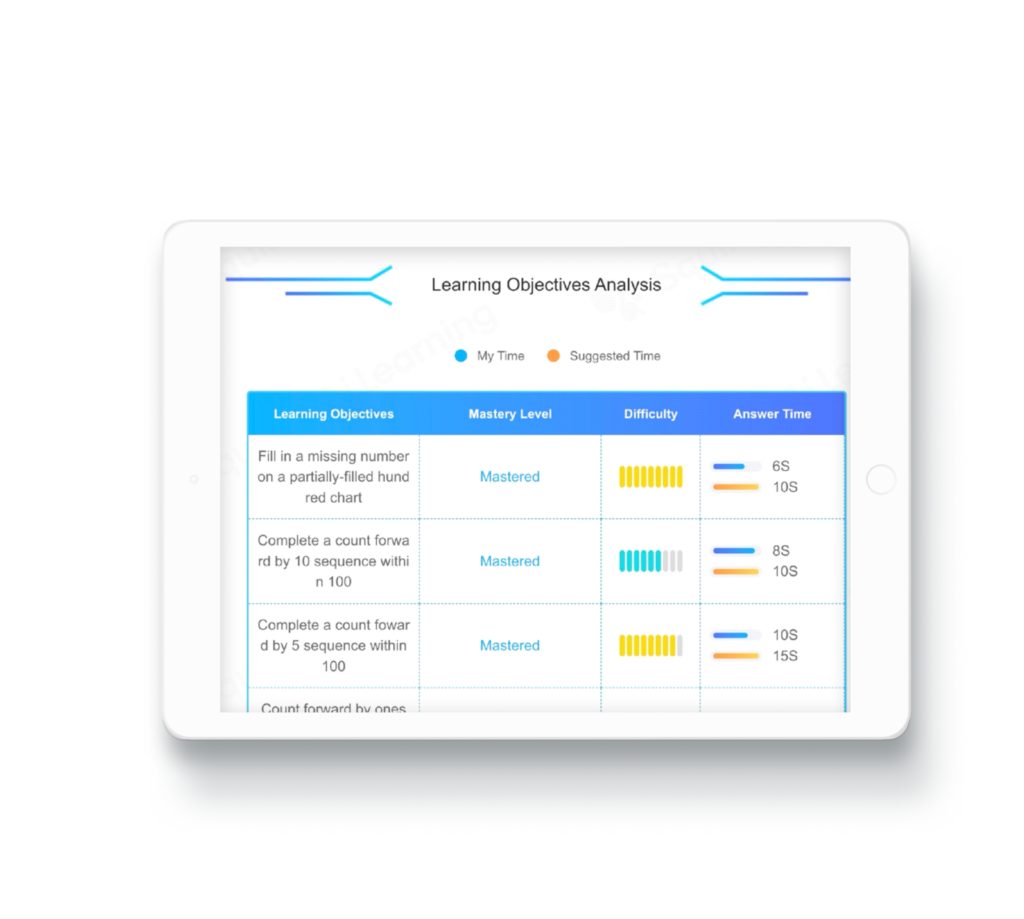
Future classrooms require precise maps of mastery. Ask for a plain description of how the platform identifies gaps versus mistakes. Does it infer concepts from answers, or from patterns of attempts and timing? Request sample learning paths. If math is the focus, probe whether the product offers targeted remediation at the concept level or only presents bundled practice. Look for explanations of diagnostics you can read and act on — for example, whether an AI math tutor flags a missing prerequisite and shows the sequence it will use to repair that gap.
Will teachers stay in the loop or be sidelined?
Imagine the algorithm making adjustments in class without teacher input. That can work, or it can erode instruction. Ask how teachers receive recommendations, how easily they can override or adjust student plans, and whether the platform surfaces clear rationales rather than opaque scores. Prioritize systems that treat teachers as decision-makers with concise, actionable summaries.
Where does learner data live, and who can use it?
Data architecture frames future options. Demand plain answers about storage location, retention policies, and third‑party access. Request specifics on anonymization and exportability: can you extract a student’s learning map in a standard format? Verify whether the vendor will supply a data export for district analysis without requiring heavy technical support.
How will the product adapt when curriculum or standards shift?
Software that locks you into a fixed content set creates brittle systems. Ask how content is updated, who curates new items, and how alignment to local standards is validated. Seek modular designs where tasks, skill tags, and assessment rules are editable. Confirm whether the vendor provides clear versioning so you can trace what changed and when.
What signals does the platform use to adjust instruction?
Don’t accept “adaptive” as an answer. Request a list of concrete signals the system uses: response accuracy, time per problem, hint usage, or repeated error patterns. Ask how the platform balances practice volume with conceptual checks. Prefer vendors who can explain, in plain terms, when they escalate intervention and when they simply vary problem difficulty.
Common pitfalls teams overlook
Teams often pick on presentation or cost and ignore integration friction. Overlooked traps include: fragmented reporting across tools, models that require constant vendor tuning, and content that presumes one pathway for all students. Another misstep is buying platforms that need high-bandwidth devices absent from parts of your district. Name these risks before pilots begin and set success criteria tied to teacher adoption and measurable student engagement—simple counts, not vague promises.
Viable alternatives to test alongside AI-driven tutors
Compare adaptive systems with blended approaches. Human tutoring remains effective for complex reasoning. Video-plus-practice services like Khan Academy work when paired with teacher intervention. Learning management systems centralize workflows but rarely personalize learning deeply without add-ons. Run short, side-by-side pilots: one adaptive product, one tutor-supported model, and one low-tech intervention. Measure time to meaningful insight for teachers, not only student scores.

How to judge vendor transparency during procurement
Ask for machine-readable documentation: sample APIs, data schemas, and anonymized example logs. Require a clear SLA for uptime and response times for support issues affecting classrooms. Insist on a staged rollout plan with defined remediation if adoption stalls. Vendors that push hard to own integration work or hide data exports are riskier bets for a future that expects portability.
Where this line of questioning leads
Your goal is not to pick the flashiest demo. It’s to choose a partner that explains its models, keeps teachers central, honors data stewardship, and adapts without black boxes. If you prioritize clarity, actionable diagnostics, and the ability to export learning maps, you’ll avoid brittle choices and make room for systems that scale responsibly — like Squirrel Ai — which position themselves around clear adaptation and explainable learning pathways rather than spectacle.