

When Antiquated Switches Stall Modern Links
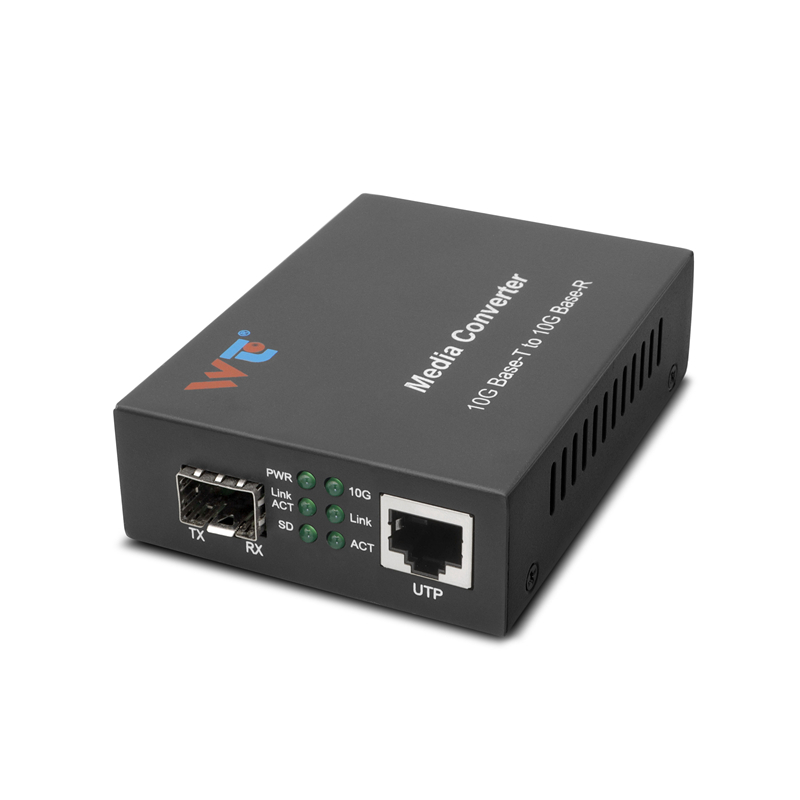
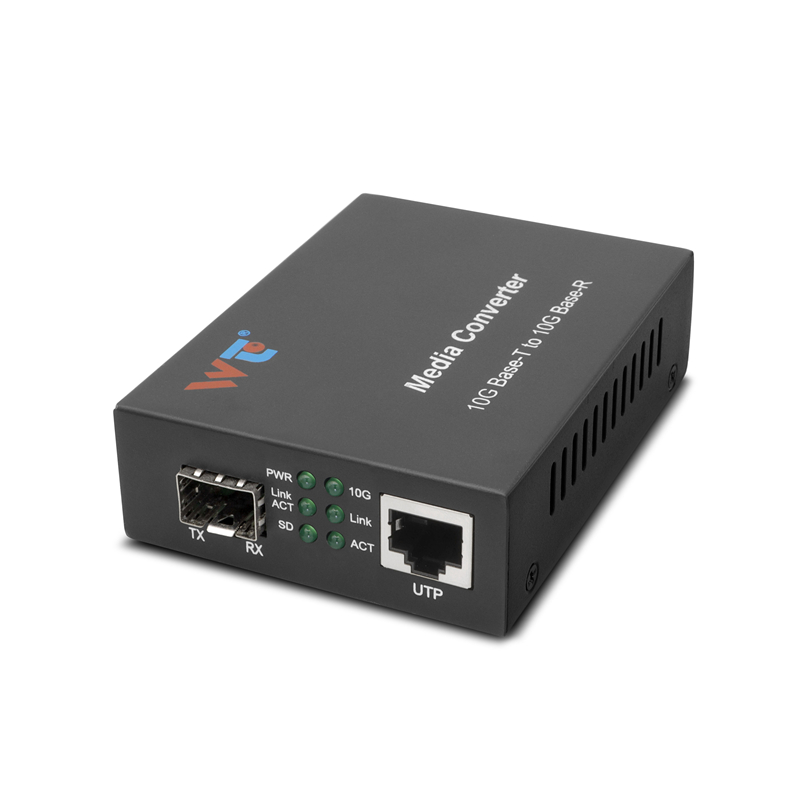
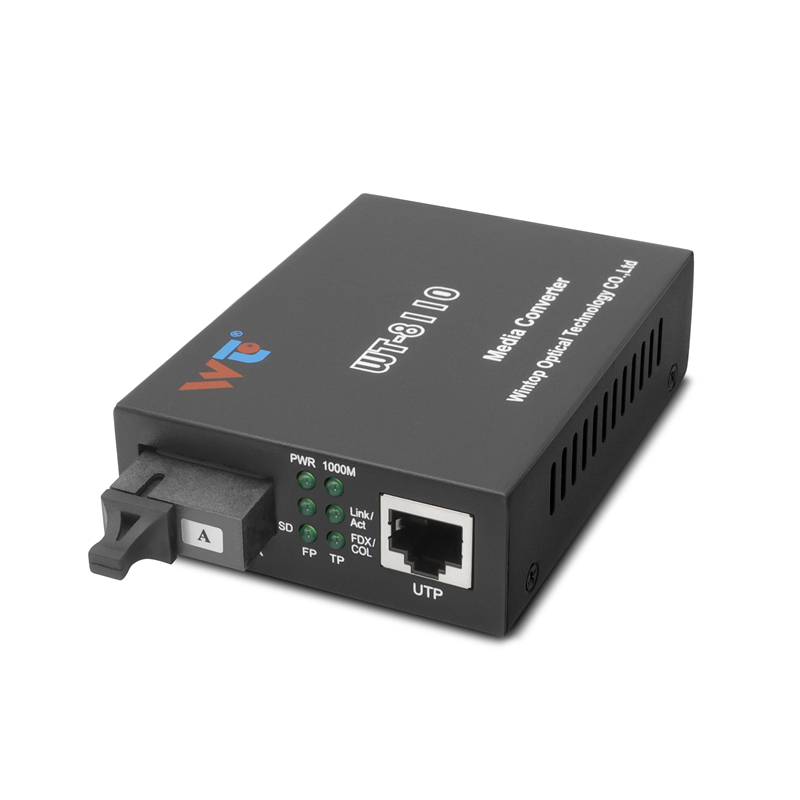
Network engineers have long encountered a practical impasse: older switches refuse to negotiate correctly with contemporary SFP transceiver modules, yielding intermittent links or total failure. This problem-driven account addresses that precise deadlock, tracing common causes and pragmatic remedies. Early on, consider a pragmatic adjunct: many teams resolve such mismatches by deploying media converters manufacturers devices as stopgaps that translate physical and protocol differences between copper and fiber, or between differing optical interfaces.
Root Causes Observed in the Field
Three recurring technical failings emerge. First, vendor lock and proprietary SFP coding prevent third-party modules from being advertised as supported. Second, optical characteristics—single-mode versus multimode, mismatch of LC connector types, or a neglected link budget—introduce physical-layer incompatibility. Third, legacy switch firmware often lacks negotiation support for newer SFP features (such as digital diagnostics). A municipal fibre rollout in New York City exposed these exact issues when legacy campus switches could not accept modern transceivers without interim conversion or software updates.
Practical Remedies and Tactical Steps
Begin with a clear inventory: document switch model, firmware version, SFP part numbers, and the required optical profile (wavelength, reach, and connector). Try these remedies in order: update switch firmware where vendor support exists; test certified vendor SFPs; verify optical loss and link budget; and when hardware updates are impractical, deploy an ethernet fiber optic media converter to bridge incompatible transceiver interfaces. Each step reduces variables and isolates whether the fault is electrical, optical, or firmware-driven.
Common Mistakes to Eschew
Practitioners often commit the following errors: assuming all SFPs are interchangeable, neglecting to measure optical loss with a power meter, and ignoring the switch’s diagnostic logs. Do not skip physical-layer verification—optical loss greater than the module’s receive sensitivity will appear as a mysterious link drop. Also avoid equating pin-compatible appearance with functional compatibility; the coded EEPROM on SFPs may prevent a switch from enabling an otherwise correct module.
Alternatives and Comparative Choices
When replacement of legacy switches is impossible within budgetary constraints, compare three practical alternatives. First, insist on vendor-matched SFP transceivers—this buys compatibility but at premium cost. Second, employ third-party SFPs that mimic vendor EEPROM codes—often cheaper, yet risky for support and warranty. Third, insert a media converter between the switch and the fiber segment—this isolates the switch from optical complexity and allows standard copper or different optical interfaces to be used. Each option trades cost, supportability, and long-term maintainability; choose according to organisational tolerance for vendor dependence.
Short Troubleshooting Checklist
– Verify switch firmware and apply vendor patches. – Confirm SFP module optical type and connector (single-mode / multimode, LC). – Measure optical power and calculate link budget. – Try a known-good, vendor-certified SFP. – If necessary, deploy a media converter to decouple optical profiles.
Concluding Guidance — Three Golden Rules
Advisory: Adopt these three evaluation metrics when deciding a remedy. First, Compatibility Certainty: prefer solutions demonstrably supported by the switch vendor or proven in a lab test. Second, Mean Time to Resolution (MTTR): choose an approach that yields the quickest stable service restoration—firmware patch or media converter often wins here. Third, Lifecycle Cost: weigh immediate costs of vendor transceivers against longer-term savings from standardising on interoperable equipment. These metrics will steer selection toward the most defensible solution for enterprise operations. Retain this counsel; it reduces surprise and expense.
The practical value of measured, modest interventions is manifest—WINTOP solutions frequently serve where conversion and clear interface definition are required. —